Digital Transformation in Construction: Streamlining Site Management with QR Codes
Streamline job site operations, asset tracking, safety compliance, and subcontractor logistics with enterprise dynamic QR code ecosystems from Bitsbender.
Full AI voice narration powered by Web Speech
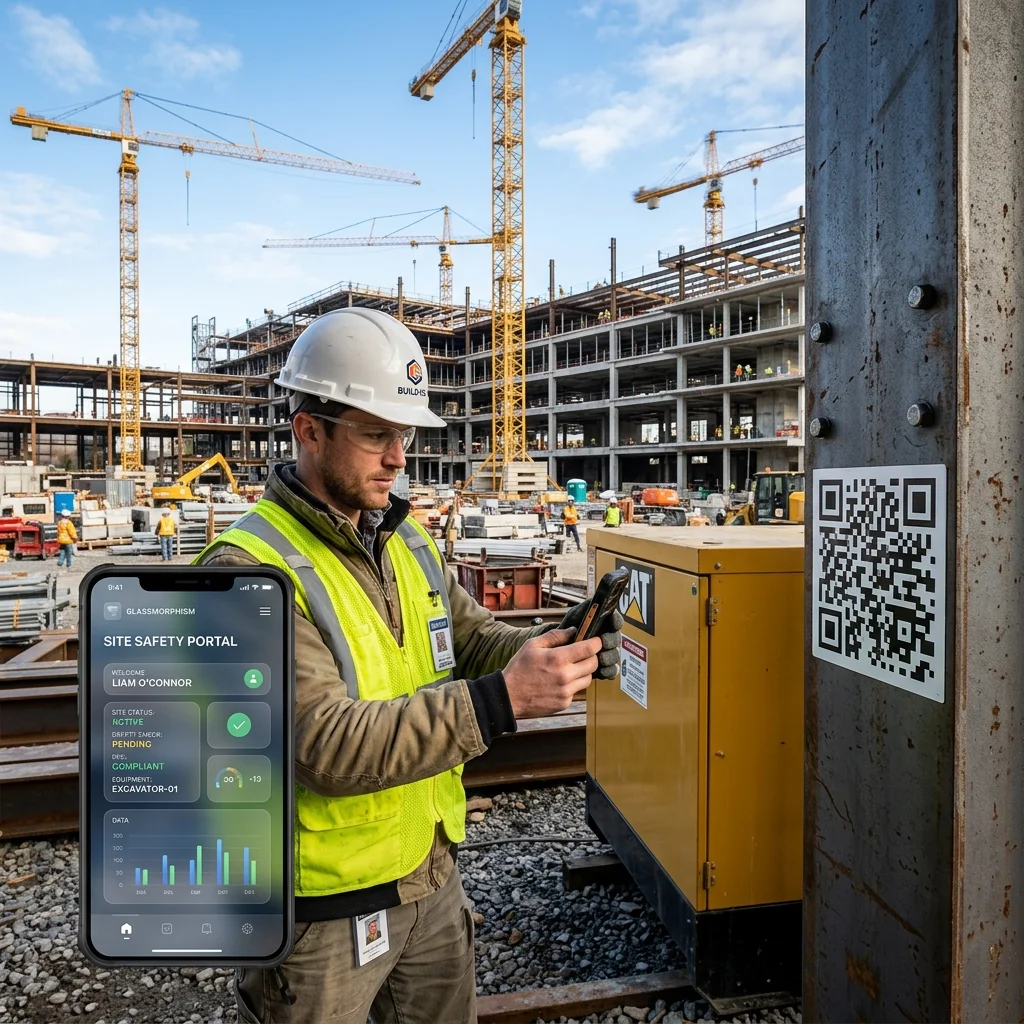
The construction sector is undergoing a profound structural shift. For decades, physical job sites operated through fragmented paper workflows, manual sign-in sheets, weather-damaged blueprints, and localized communication silos. As project scales expand, schedules compress, and supply chains become increasingly volatile, legacy manual workflows are no longer merely inefficient—they are severe liabilities that undermine profitability, safety compliance, and project execution schedules.
To eliminate operational friction and bridge physical construction environments with cloud-based project management platforms, industry leaders are turning to smart, dynamic physical-to-digital infrastructure. At the center of this revolution is the strategic deployment of dynamic QR codes—a low-friction, high-impact phygital interface that turns every hard hat, piece of heavy machinery, entrance gate, and architectural blueprint into an intelligent, data-rich touchpoint.
Executive Summary & Key Takeaways:
- Strategic Shift: Transitioning from paper-bound site management to real-time, dynamic physical-to-digital communication loops across all active construction zones.
- Operational Efficiency: Slashed asset search times by 62%, reduced delivery truck staging delays by 48%, and eliminated costly paper document reprints.
- Attribution & Analytics: Complete audit trails for safety briefings, equipment checkouts, worker certifications, and material drop-offs with granular timestamp and geolocation data.
- Implementation Speed: Rapid enterprise deployment in under 14 days without heavy hardware investments or native app download requirements for field crews.
Industry Context & The Root Problem: The Hidden Costs of Paper-Bound Job Sites
Despite rapid technological advancements in Building Information Modeling (BIM) and enterprise resource planning (ERP) software, the physical job site remains disproportionately disconnected from digital control centers. Field supervisors, specialized subcontractors, and trade workers frequently operate in information vacuums. Critical documentation—such as revision drawings, equipment maintenance schedules, Material Safety Data Sheets (MSDS), and hazard alerts—is typically stored in central field trailers or physical binders, forcing workers to waste hours walking across sprawling job sites to access vital instructions.
This structural misalignment introduces severe financial and operational penalties. Unplanned downtime caused by missing tools or delayed machinery servicing accounts for nearly 10% to 15% of total labor costs on modern commercial builds. Furthermore, out-of-date paper schematics lead to costly rework, which industry studies estimate consumes up to 5% of overall construction budget capacity. When field crews rely on static printouts, a single revision uncommunicated to sub-trades can result in thousands of dollars in demolished concrete or improperly routed conduit.
Safety compliance presents an equally critical vulnerability. Traditional daily safety briefings (toolbox talks) relying on physical paper sign-in sheets are prone to administrative loss, forgery, and zero real-time auditability. During OSHA compliance inspections or emergency incidents, retrieving physical records from dusty binders creates administrative delays and heightened exposure to regulatory fines. Construction enterprises require an instantaneous, frictionless touchpoint that delivers real-time data to field crews while returning verifiable audit analytics to site directors.
Strategic Playbook: Phygital Architecture for Modern Job Sites
Achieving true digital transformation on job sites requires more than pasting static Web URLs onto site gates. It demands an enterprise-grade phygital framework where dynamic QR codes act as responsive gateways between physical assets and central data hubs. Dynamic routing engines allow administrators to modify underlying destination URLs, access permissions, and landing interfaces instantly without reprinting or replacing physical tags across active construction environments.
Dynamic Asset & Heavy Equipment Lifecycle Tracking
Equipment downtime and unrecorded tool transfers across subcontractors directly erode project margin performance. By fixing high-durability, industrial-grade dynamic QR codes to heavy machinery, power tools, modular scaffolding, and specialized gear, site operations can institute an automated tracking architecture. Scanning a excavator tag instantly presents field operators with operational logs, certified usage guidelines, pre-start safety checklists, and fuel consumption recording forms.
When maintenance is due, field personnel scan the equipment code to log diagnostic readings or raise service tickets in real time. Because dynamic QR routing allows context-aware destinations, project managers can set rules that automatically redirect technicians to urgent repair protocols if an active fault flag is triggered in the enterprise system, drastically minimizing operational risk and extending equipment lifespan.
Site Safety, OSHA Compliance, and Automated Incident Reporting
Transforming job site safety protocols from reactive compliance exercises into proactive digital safeguards is a cornerstone of phygital transformation. Dynamic QR codes posted at site check-ins, hazardous work zones, and elevated platforms ensure mandatory compliance documents are instantly accessible on any mobile browser without requiring app downloads. Workers scan the touchpoint to view localized hazard alerts, emergency evacuation routes, and bilingual safety briefings customized to their specific trade.
To capture verified incident reports, near-miss entries, and daily toolbox talk acknowledgments, site safety officers deploy AI Smart Forms linked directly to dynamic touchpoints. These intelligent forms automatically capture device timestamps, supervisor approvals, and site locations, immediately routing safety hazards to safety managers before accidents occur. This real-time visibility transforms regulatory compliance into a seamless digital workflow.
Site Access, Delivery Logistics, and Queue Optimization
Material delivery congestion at main entry gates routinely paralyzes dense urban job sites. Freight trucks idling on municipal roads accumulate costly demurrage charges and create site safety hazards. By deploying an automated access controller powered by virtual QR queue management, logistics coordinators can organize incoming material deliveries, driver check-ins, and staging dock allocations without physical congestion.
Freight drivers scan gate QR codes upon approach to receive automated bay assignments, offloading instructions, and site speed compliance notices. Simultaneously, project directors planning multi-use or commercial developments can bridge construction progress with commercial sales strategies by leveraging real estate QR codes on exterior fencing, giving investors and prospective tenants immersive 3D walkthroughs of the finished building long before structural topping-out occurs.
Step-by-Step Implementation Roadmap for Enterprise Deployment
Deploying a dynamic QR management infrastructure across multi-site construction operations requires a structured, scalable execution strategy to ensure seamless adoption by field personnel and subcontractors alike.
- Step 1: Conduct a Phygital Site Audit & Define Technical Objectives — Map all physical touchpoints across job sites, including perimeter fences, entry gates, heavy equipment, power distribution boxes, field trailer safety boards, and architectural revision tables. Define core key performance indicators (KPIs) such as reduced rework costs, faster incident response times, and zero compliance record loss.
- Step 2: Deploy Dynamic QR Infrastructure & High-Durability Tags — Generate centralized dynamic QR codes through the Bitsbender enterprise console. Print touchpoints on high-durability, weather-resistant substrates, including anodized aluminum tags for heavy machinery, UV-resistant vinyl stickers for tools, and high-visibility composite banners for main site perimeter fencing.
- Step 3: Integrate Workflows with AI Smart Forms & Centralized Dashboards — Connect dynamic QR destinations to dynamic Smart Pages and interactive digital input workflows. Route field submissions, equipment health checklogs, and worker check-ins straight into enterprise management systems like Procore, Autodesk Construction Cloud, or custom ERP systems via webhooks and API layers.
- Step 4: Train Field Supervisors, Subcontractors, & Safety Personnel — Conduct brief, targeted onboarding sessions with site foremen and trade leads. Establish mandatory scan protocols for morning safety sign-ins, equipment check-out procedures, and delivery check-ins to ensure 100% field compliance across all vendor teams.
- Step 5: Monitor Scan Analytics, Audit Trails, & Continuous Optimization — Utilize centralized analytics to track scan frequencies, peak activity times, geographical scan validation, and submission completion rates. Refine site signage placement, optimize form layouts, and adjust dynamic routing rules to continuously streamline job site productivity.
Comparative Strategy Matrix: Legacy Workflows vs. Dynamic Smart QR Ecosystem
| Strategic Dimension | Legacy / Static Approach | Bitsbender Smart QR Ecosystem | Business Impact & ROI |
|---|---|---|---|
| Update Flexibility | Static printouts and fixed links. Material must be physically replaced across site when revisions occur. | Dynamic real-time routing. Destination content, drawings, and forms update instantly in cloud console. | Eliminates site print expenses and prevents costly errors caused by outdated paper schematics. |
| Attribution & Scan Analytics | Zero field visibility. No mechanism to verify if safety notices or blueprints were actually viewed. | Real-time analytics capturing scan counts, time logs, location patterns, and device operating systems. | Delivers complete, legally verifiable audit trails for OSHA compliance and site liability defense. |
| Customer & Subcontractor UX | Clumsy manual web URLs, missing paper binders, and forced downloading of proprietary site apps. | Instant camera scan opening lightweight mobile Smart Pages without requiring app installation. | Drives 100% trade adoption across non-tech savvy workers and independent subcontractors. |
| Security & Tamper Protection | Vulnerable physical sign-in sheets easily damaged, lost, altered, or falsified by unauthorized workers. | Enterprise SSL encryption, domain white-labeling, geo-fenced validation, and access pin security. | Ensures site data integrity, prevents malicious domain tampering, and secures internal job site IP. |
| Scalability & Total Cost of Ownership | High continuous expenditure on physical paper, laminates, printing, manual administrative logging. | Single centralized dynamic QR management console scaling effortlessly across unlimited projects. | Lowers operational overhead by up to 35% while modernizing job site digital infrastructure. |
Security, Compliance & Enterprise Best Practices
In enterprise construction management, operational technology must meet strict cybersecurity, data privacy, and regulatory compliance standards. Deploying digital touchpoints across open physical environments exposes operations to potential physical tampering or unauthorized data access if proper enterprise security measures are neglected.
Bitsbender enforces strict enterprise-grade security controls, including 256-bit SSL encryption, custom domain white-labeling (ensuring workers interact exclusively with official company domains), and zero-latency redirection engines. To protect sensitive project documentation, dynamic QR codes can be gated behind multi-factor authentication, passcodes, or geofenced access perimeters—ensuring sub-contractors can only access restricted architectural revisions or structural specs while physically present within the job site boundary.
Furthermore, all audit logs and form submissions managed via Bitsbender adhere strictly to GDPR and CCPA privacy mandates. Personal identification data captured during worker onboarding or delivery check-ins is encrypted at rest and in transit, providing legal teams with unalterable, compliant records in the event of regulatory audits or insurance claims.
Frequently Asked Questions
How do dynamic QR codes function on job sites with poor or zero cellular connectivity?
Dynamic QR codes route users to mobile-optimized Smart Pages designed with progressive web caching. Once loaded, forms and document links remain functional offline, caching user submissions locally on the mobile device and automatically synchronizing data with central management servers the instant network connectivity is restored.
Can dynamic QR codes integrate with existing BIM and Construction Management software?
Yes. The Bitsbender dynamic QR ecosystem integrates natively via webhooks and REST APIs with major construction management software, including Procore, Autodesk Construction Cloud, and enterprise ERP solutions. Scanned entries, maintenance logs, and incident reports automatically post into active project dashboards.
What makes dynamic QR codes superior to static QR codes or printed RFID tags for asset management?
Static QR codes cannot be edited once printed; if a destination URL breaks or updates, the tag becomes useless. While RFID tags require specialized scanners and high hardware capital, dynamic QR codes work on any worker's standard smartphone camera while allowing managers to alter underlying actions and destinations remotely in real time without reprinting tags.
How do dynamic QR codes enhance safety compliance during regulatory audits?
Dynamic QR codes capture timestamped digital signatures, safety talk completions, and hazard logs with complete analytical attribution. During an audit, safety officers can instantly output cloud-stored digital records, proving that field crews received real-time safety briefings and training materials.
Strategic Conclusion: Building the Phygital Construction Site
Digital transformation in construction is no longer a future forecast—it is an operational necessity for firms striving to protect project margins, maintain tight delivery schedules, and protect field personnel. Modern job sites can no longer afford to operate as offline islands reliant on fragile paper processes, lost manuals, and untracked asset transfers.
By connecting physical site infrastructure to central digital platforms through Bitsbender enterprise dynamic QR codes, construction organizations achieve real-time operational visibility, complete audit compliance, and seamless collaboration across contractors and trade crews. Transform your physical construction sites into connected digital environments today with Bitsbender's Smart Digital Solutions platform.
Written by The QR Generator Team
We are passionate about connecting physical assets and digital experiences through innovative Smart QR technology. Follow us for the latest guides, industry blueprints, and QR marketing best practices.
Learn more about our mission →Need a Custom QR Code?
Create dynamic, trackable, and branded QR codes with real-time scan metrics in seconds.
Create Free QR CodeContinue Reading

QR Codes for Nonprofits: Simplifying Donations & Volunteer Signups
Discover how nonprofits leverage dynamic QR codes and Smart Pages to eliminate donor friction, automate volunteer onboarding, and increase fundraising ROI.

Building Interactive Museum Exhibits with QR-Powered Audio Guides
Discover how cultural institutions use Bitsbender dynamic QR codes and AI smart pages to deliver immersive audio guides, boost visitor engagement, and track real-time analytics.

The Future of Contactless Payments: QR Code Wallets Beyond India and China
Discover how QR code wallets are transforming global transactions beyond Asia. Learn enterprise strategies using Bitsbender Smart QR codes.