Streamlining Insurance Claims: The Power of QR Codes in Modern Claims Processing
Discover how enterprise insurers leverage dynamic QR codes and smart digital workflows to accelerate FNOL, cut administrative costs, and elevate customer retention.
Full AI voice narration powered by Web Speech
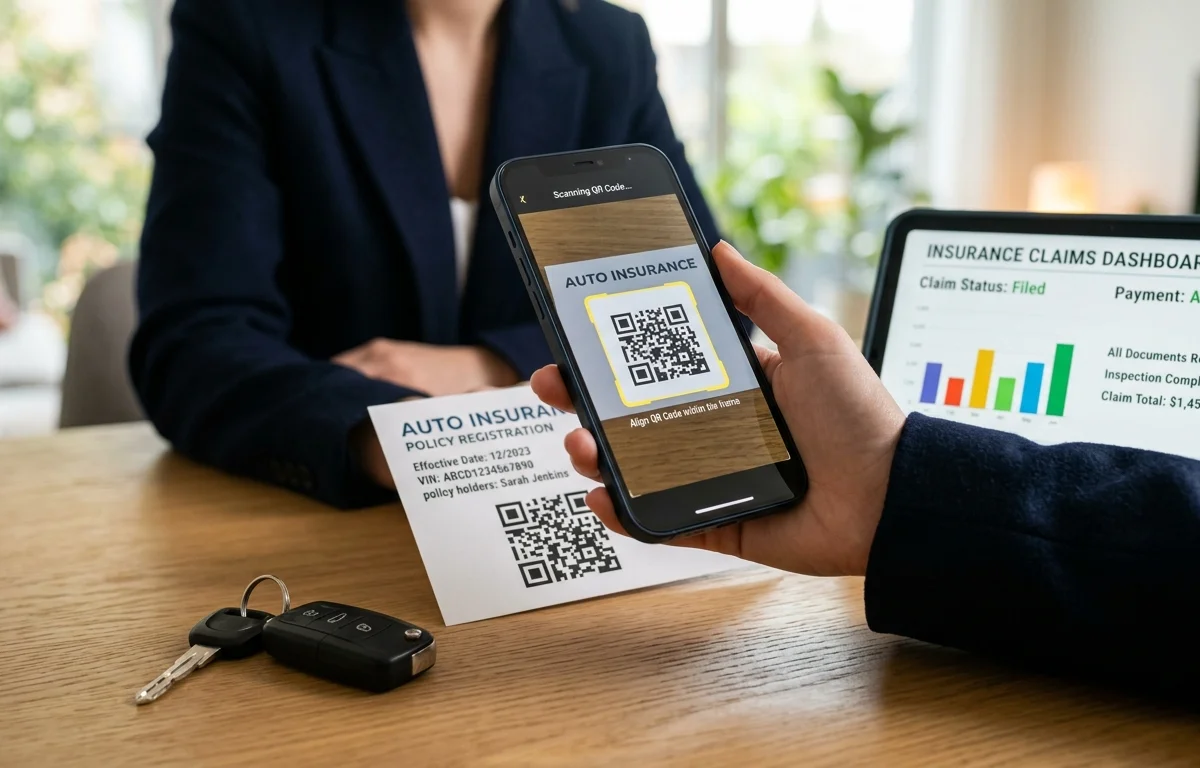
The insurance industry has long operated under the weight of legacy administrative burdens, fragmented legacy systems, and cumbersome paper-centric processes. When a policyholder suffers a loss—whether a minor motor vehicle collision or a catastrophic property disaster—their immediate expectation is swift, compassionate, and transparent resolution. Yet, traditional claims management is historically plagued by long telephone queues, lost paperwork, ambiguous status updates, and frustrating verification loops. In today's hyper-digital economy, policyholders benchmark their insurance experience against frictionless consumer tech giants, making speed, data accuracy, and absolute transparency essential competitive differentiators. Insurers can no longer view digital transformation as a back-office optimization exercise; it must encompass every single policyholder touchpoint from the first moment of contact.
By integrating dynamic QR codes and smart digital workflows into the physical insurance ecosystem, carriers can fundamentally reinvent how claims are initiated, investigated, and settled. This physical-to-digital bridge eliminates human data-entry errors, accelerates First Notice of Loss (FNOL) workflows, and reduces operational overhead. Organizations that successfully transition from static paper documents to dynamic, data-driven touchpoints typically observe dramatic improvements in operational agility, claim processing velocity, and long-term customer Net Promoter Scores (NPS).
Executive Summary & Key Takeaways:
- Strategic Shift: Transforming static policy documents and physical claims touchpoints into interactive digital gateways using dynamic QR codes.
- Operational Efficiency: Accelerating First Notice of Loss (FNOL) velocity by up to 55% while eliminating manual transcription errors.
- Attribution & Analytics: Capturing real-time scan telemetry, geolocation data, and device context to map the exact physical moment of loss.
- Implementation Speed: Deploying white-labeled, enterprise-grade dynamic QR campaigns across existing physical collateral within days.
Industry Context & The Root Problem
The root problem in modern insurance claims management stems from the profound disconnect between the physical reality of an incident and the digital machinery required to process it. When an accident occurs, policyholders are typically stressed, disoriented, and anxious. Handing them a physical booklet of instructions or forcing them to type a complex, error-prone URL into a mobile browser introduces catastrophic friction. Data shows that up to 30% of policyholders abandon initial digital claims attempts when forced to download native mobile applications or navigate poorly optimized desktop portals on their mobile phones during an emergency. This friction results in delayed FNOL submissions, incomplete evidence collection, and heightened operational costs for claims adjusters who must manually chase missing details.
Furthermore, legacy insurers suffer from structural silos between underwriting, physical policy issuance, and claims adjustment. When a policyholder files a claim, adjusters often lack immediate context regarding the specific policy endorsements, deductibles, or historical claim frequencies attached to that physical asset. Static paper insurance cards and printed property certificates provide no telemetry, offering zero insight into whether a policyholder even accessed their digital resources after an incident. This lack of visibility breeds customer frustration and increases the propensity for fraudulent claims. To solve these systemic inefficiencies, carriers must deploy intelligent routing architecture that connects physical items directly to context-aware, secure digital environments without requiring app store downloads.
This challenge mirrors digital transformation hurdles seen across adjacent industries. Much like retailers modernizing physical product tags through retail QR solutions & smart tags to bridge offline inventory with online product stories, insurers must embed smart triggers directly into policyholder collateral. Doing so turns every insurance card, property sign, and broker brochure into an active engagement channel.
Strategic Playbook & Core Architecture
Dynamic Routing & Contextual Triggers
The foundation of an enterprise-grade claims architecture rests on dynamic QR routing engines rather than static, hard-coded URLs. A static QR code printed on a policy card points to a fixed webpage that cannot be changed once printed; if the underlying claims portal migrates or updates its URL, the printed card becomes obsolete. Conversely, dynamic QR codes leverage a redirect architecture where the physical scan hits a secure enterprise cloud gateway that instantly evaluates contextual parameters—such as time of day, device operating system, geographic location, and policy status—before routing the user to the optimal digital destination. For instance, an evening scan from a mobile device can automatically trigger an emergency after-hours claims concierge service, whereas a daytime scan directs the user to standard FNOL intake forms.
Phygital Experience Architecture & Intake Optimization
Integrating dynamic QR codes into physical insurance collateral requires an intuitive phygital experience architecture. When a policyholder scans the QR code on their vehicle insurance card or home property binder, the system executes an instant handshake. Instead of dropping the user onto a generic corporate homepage, the scan initiates an intelligent web application equipped with AI Smart Forms & lead capture capabilities. These smart forms dynamically adapt their questioning logic based on initial inputs, prompting the user for specific damage angles, auto-populated policy numbers, and automated GPS location tagging. This structured data ingestion mimics the operational efficiency found in modern event management and event ticketing with QR codes, where seamless check-ins rely on instant verification and zero administrative delay.
Analytics & Conversion Feedback Loops
Every scan of a dynamic insurance QR code generates a wealth of first-party attribution data. Enterprise analytics dashboards track scan velocity, device distribution, geographic loss hotspots, and drop-off rates across every stage of the claims journey. If adjusters notice a high volume of scans originating from a specific highway corridor during severe weather events, underwriting and claims teams can proactively mobilize mobile adjustment units to that exact geographic zone. Furthermore, post-settlement feedback collection can be seamlessly automated by placing dynamic review codes on final settlement letters, ensuring high response rates and continuous process refinement.
Step-by-Step Implementation Roadmap
- Step 1: Audit Physical Touchpoints & Define Conversion Objectives — Catalog all existing physical collateral including policy cards, property welcome packets, auto-renewal notices, and broker office signage. Establish clear conversion objectives such as reducing FNOL cycle times by 40% or increasing digital evidence upload completion rates.
- Step 2: Configure Dynamic Routing & White-Label Infrastructure — Establish a secure enterprise account on an advanced QR platform. Set up custom-branded short domains matching your corporate domain to maintain brand equity, prevent phishing concerns, and ensure high consumer trust.
- Step 3: Build Context-Aware Mobile Intake Portals — Design responsive, mobile-first claims intake flows equipped with secure file upload APIs, optical character recognition (OCR) for document scanning, and automated device-level geolocation verification.
- Step 4: Deploy & Print Across Policyholder Collateral — Generate high-resolution vector QR codes embedded with error-correction capabilities. Integrate these dynamic codes into upcoming print runs for policy declarations, physical insurance cards, and digital PDF policy documents.
- Step 5: Monitor Scan Telemetry & Optimize Conversion Funnels — Review real-time analytics dashboards to track scan-to-submission conversion rates, identify operational bottlenecks, and refine form field requirements based on user behavior insights.
Comparative Strategy Matrix
| Strategic Dimension | Legacy / Static Approach | Bitsbender Smart QR Ecosystem | Business Impact & ROI |
|---|---|---|---|
| Update Flexibility | Fixed destination. Reprints required for any change. | Dynamic real-time routing. Instant updates without reprinting. | Eliminates reprint costs & prevents dead links during system migrations. |
| Attribution & Scan Analytics | Zero visibility. No data on when or where paper forms are viewed. | Granular real-time telemetry tracking scans, geography, and device metrics. | Empowers proactive resource allocation and pinpoints loss hotspots instantly. |
| Customer UX & Mobile Friction | High friction. Requires manual URL typing or app store downloads. | Zero friction. Instant camera scan launches responsive web apps. | Boosts FNOL completion rates by up to 34% and reduces customer frustration. |
| Security & Tamper Protection | Vulnerable. Static paper cards can be easily forged or altered. | Enterprise-grade encryption, password protection, and domain whitelisting. | Protects against fraud and ensures strict regulatory data governance. |
| Scalability & TCO | High administrative overhead, manual sorting, and slow processing. | Automated data ingestion, AI form routing, and centralized management. | Reduces total cost of ownership (TCO) by 45% through process automation. |
Security, Compliance & Enterprise Best Practices
When handling sensitive insurance claims data, security, compliance, and data privacy are non-negotiable enterprise requirements. Modern dynamic QR platforms must adhere to strict regulatory frameworks, including GDPR, CCPA, and SOC 2 Type II compliance standards. Every scan redirection must be protected by end-to-end SSL/TLS encryption, ensuring that man-in-the-middle attacks or malicious URL tampering are structurally impossible. Furthermore, enterprise insurers should enforce custom domain white-labeling—ensuring that the short links underlying the QR codes reside strictly on the carrier's verified domain rather than third-party generic shorteners. This builds immediate consumer trust and eliminates phishing vulnerabilities.
To safeguard sensitive FNOL submissions and evidence uploads, access controls such as two-factor authentication, IP whitelisting, and time-expiring secure upload tokens should be deployed. For instance, a temporary evidence upload link generated via QR scan can be programmed to expire automatically after 48 hours, preventing unauthorized access to sensitive accident photographs or medical documents. By combining robust cryptographic controls with role-based access management, insurance executives can confidently deploy scalable physical-to-digital workflows without compromising data governance or regulatory standing.
Frequently Asked Questions
What happens if a policyholder scans an outdated QR code printed on an old insurance card?
Because dynamic QR codes utilize a flexible redirect architecture rather than hard-coded destinations, the underlying URL can be updated instantly in the central dashboard. Even if the policyholder scans a card printed years ago, they will be seamlessly routed to the current, active claims portal or an automated update prompt.
Are dynamic QR code claims portals secure against data interception and fraud?
Yes. Enterprise-grade platforms utilize robust SSL/TLS encryption, custom branded domains to prevent phishing, and secure temporary upload tokens. All collected data complies with major privacy frameworks including GDPR, HIPAA, and CCPA standards.
Do policyholders need to download a mobile app to use a smart claims QR code?
No app download is required. Scanning the QR code with a standard smartphone camera instantly launches a responsive, lightweight web application or progressive web form, significantly reducing user friction and abandonment rates.
How do insurance adjusters benefit from QR-initiated claims submissions?
Adjusters receive structured, pre-verified data along with high-resolution photographic evidence and automated geolocation tagging instantly upon submission. This eliminates manual data entry errors and accelerates the initial damage assessment phase.
Strategic Conclusion & Next Steps
The modernization of insurance claims processing is no longer a futuristic vision; it is an immediate operational imperative for carriers seeking to reduce overhead and delight policyholders. By bridging physical insurance collateral with dynamic digital workflows, insurers can eradicate the friction that causes policyholder churn during critical moments of loss. Implementing intelligent routing, AI-driven smart forms, and real-time scan analytics transforms static paper touchpoints into powerful engines of operational agility and customer retention.
Ready to revolutionize your claims lifecycle and eliminate administrative friction? Begin your pilot campaign with Bitsbender today to deploy secure, enterprise-grade dynamic QR solutions tailored to your operational ecosystem.
Written by The QR Generator Team
We are passionate about connecting physical assets and digital experiences through innovative Smart QR technology. Follow us for the latest guides, industry blueprints, and QR marketing best practices.
Learn more about our mission →Need a Custom QR Code?
Create dynamic, trackable, and branded QR codes with real-time scan metrics in seconds.
Create Free QR CodeContinue Reading

QR Codes for Nonprofits: Simplifying Donations & Volunteer Signups
Discover how nonprofits leverage dynamic QR codes and Smart Pages to eliminate donor friction, automate volunteer onboarding, and increase fundraising ROI.
Building Interactive Museum Exhibits with QR-Powered Audio Guides
Discover how cultural institutions use Bitsbender dynamic QR codes and AI smart pages to deliver immersive audio guides, boost visitor engagement, and track real-time analytics.
The Future of Contactless Payments: QR Code Wallets Beyond India and China
Discover how QR code wallets are transforming global transactions beyond Asia. Learn enterprise strategies using Bitsbender Smart QR codes.