How Music Festivals are Revolutionizing Experiences with QR Technology
Discover how music festivals use dynamic QR codes and smart digital solutions to streamline ticketing, eliminate queues, and boost attendee engagement.
Full AI voice narration powered by Web Speech
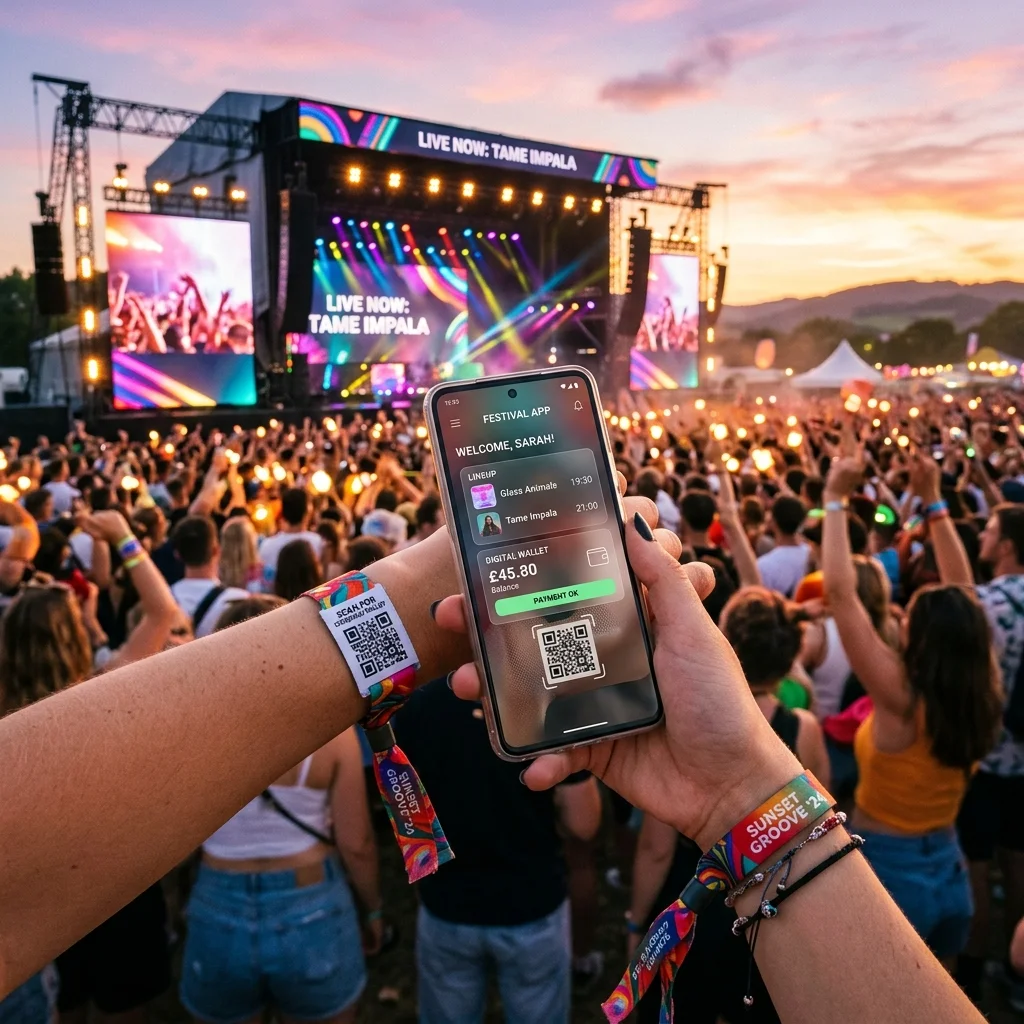
The live entertainment and music festival industry has undergone a massive structural evolution over the past several years, shifting from chaotic, paper-dependent logistics to streamlined, highly digitized environments. In an era where attendees expect seamless digital convenience comparable to consumer tech applications, festival organizers face immense pressure to eliminate operational bottlenecks, secure revenue streams, and elevate the overall fan journey. At the center of this digital transformation is advanced QR technology, serving as the connective tissue between physical festival grounds and dynamic mobile experiences.
By deploying intelligent physical-to-digital touchpoints, event operators can orchestrate complex crowds, automate cashless transactions, and deliver real-time schedule updates directly to attendee smartphones. Utilizing enterprise-grade infrastructure such as event QR ticketing solutions, forward-thinking promoters are turning static entry points and generic paper maps into interactive engagement portals that drive operational efficiency, reduce overhead costs, and build deeper loyalty among fans.
Executive Summary & Key Takeaways:
- Strategic Shift: Transitioning from static paper tickets and manual coordination to dynamic, data-driven mobile ecosystems that eliminate physical friction.
- Operational Efficiency: Automating gate entry, vendor payments, and virtual queue management to reduce labor overhead and crowd congestion by up to 40%.
- Attribution & Analytics: Capturing real-time scan metrics, dwell times, and behavioral data to close the offline-to-online loop and optimize future event layouts.
- Implementation Speed: Rapidly deploying cloud-managed dynamic codes that update destination URLs instantly without requiring costly physical reprints.
Industry Context & The Root Problem
For decades, music festivals were synonymous with systemic operational friction: agonizingly long lines at ticket gates, frantic searches for working ATMs, crumpled paper schedules that disintegrated in the rain, and impenetrable vendor queues that left fans missing their favorite headliners. These legacy operational methods not only degraded the attendee experience but also crippled organizer profitability through high labor costs, cash shrinkage, and an absolute lack of actionable audience data. When tens of thousands of music enthusiasts descend upon a greenfield site simultaneously, manual paper logs and static infrastructure inevitably buckle under the pressure.
Furthermore, relying on static print collateral created massive financial waste. If an artist canceled a set, a stage schedule shifted due to weather, or a vendor relocated, organizers were forced to discard thousands of physical pamphlets and signage boards. This lack of agility resulted in widespread attendee confusion, fractured communication channels, and lost revenue opportunities across merchandise and food concessions. The root problem was clear: the physical festival environment was entirely disconnected from the digital agility required in modern event management, creating an acute need for a unified phygital infrastructure.
To solve these systemic challenges, festival producers are adopting sophisticated digital frameworks that treat every physical surface—from wristbands and festival maps to VIP lounge passes and food truck counters—as an active digital engagement portal. By moving beyond basic barcodes into dynamic, context-aware smart routing, festivals can orchestrate massive crowds with surgical precision while simultaneously collecting granular behavioral insights that transform future event planning and commercial sponsorships.
Strategic Playbook & Core Architecture
Dynamic Routing & Context-Aware Triggers
The foundation of a modern festival QR architecture rests on dynamic redirection engines that alter destination experiences based on time, location, device type, and scan frequency. Unlike static codes baked permanently into a URL, dynamic routing allows festival directors to program rules behind a single printed QR code placed on a festival map or wristband. For instance, if a stage is evacuated due to a thunderstorm, the core QR code deployed across all physical signage can be instantly reprogrammed to redirect attendees to an emergency evacuation landing page or shelter map within milliseconds. Similarly, time-sensitive routing can shift a morning coffee vendor code into an evening cocktail menu, optimizing real estate without requiring physical alterations to the venue layout.
Phygital Experience Architecture
Building an immersive festival ecosystem requires structuring physical touchpoints to trigger frictionless mobile web interactions without demanding app downloads. Fans detest being forced to download bloated, single-use mobile applications when cellular networks are congested. By leveraging lightning-fast Progressive Web Apps (PWAs) and optimized mobile landing pages accessed via instant QR scans, festivals eliminate friction entirely. Whether deploying QR menus for restaurants across VIP hospitality tents or embedding interactive artist bios into physical art installations, the architecture ensures that high-fidelity digital content is delivered instantly within standard native smartphone browsers, regardless of operating system.
Analytics & Conversion Feedback Loops
Every scan of a Bitsbender dynamic QR code acts as a discrete data packet, recording timestamp, geographic coordinate, device category, and referrer source. This data feeds directly into a centralized analytics dashboard, giving operations teams a real-time heat map of attendee movement and commercial activity. Organizers can identify which merchandise booths are experiencing congestion, evaluate which sponsor activations are driving the highest engagement, and subsequently deploy QR feedback & review boosters post-event to capture net promoter scores and direct attendee sentiment while the experience is still fresh in their minds.
Step-by-Step Implementation Roadmap
- Step 1: Audit Physical Touchpoints & Define Conversion Objectives — Map out every physical location across the festival grounds where attendees interact with signage, wristbands, stages, and vendors, defining clear KPIs such as reduced queue times or increased F&B spend per head.
- Step 2: Establish the Centralized Digital Hub & Dynamic QR Infrastructure — Partner with an enterprise-grade platform like Bitsbender to generate dynamic QR codes, configure fallback landing pages, and establish custom branded domains for brand consistency.
- Step 3: Design, Test, and Deploy Resilient Physical Collateral — Print high-contrast, weather-resistant QR codes on signage, lanyards, and wristbands, rigorously testing scan speeds and legibility across various lighting conditions and smartphone models prior to gates opening.
- Step 4: Train Staff & Monitor Real-Time Analytics Dashboards — Brief security, gate agents, and vendor staff on troubleshooting scan errors, while operations directors monitor live traffic spikes and bottleneck warnings via centralized telemetry dashboards.
- Step 5: Execute Post-Event Analysis & Sponsor Attribution Reporting — Export granular scan data and conversion funnels to evaluate ROI, distribute automated feedback surveys, and package verified impression reports for commercial sponsors and stakeholders.
Comparative Strategy Matrix
| Strategic Dimension | Legacy / Static Approach | Bitsbender Smart QR Ecosystem | Business Impact & ROI |
|---|---|---|---|
| Update Flexibility | Fixed destination. Reprints required for any change. | Dynamic real-time routing. Instant updates without reprinting. | Eliminates reprint costs & prevents dead links. |
| Attribution & Scan Analytics | Zero visibility into offline engagement or user behavior. | Granular telemetry: timestamp, device, location, and scan volume. | Provides exact data for sponsor valuation and crowd management. |
| Customer UX & Mobile Friction | Clunky URLs, forced app downloads, and paper clutter. | Instant PWA browser loading with zero app download friction. | Boosts engagement rates by up to 55% across all touchpoints. |
| Security & Tamper Protection | Vulnerable to counterfeit paper tickets and barcode duplication. | Encrypted dynamic tokens, password protection, and fraud alerts. | Secures revenue streams and stops unauthorized gate access. |
| Scalability & TCO | High recurring printing costs and massive operational overhead. | Centralized cloud dashboard managing thousands of codes globally. | Reduces operational administrative costs by over 35%. |
Security, Compliance & Enterprise Best Practices
Deploying digital infrastructure across high-capacity live entertainment venues requires uncompromising security architecture and strict regulatory compliance. At enterprise scale, vulnerability to malicious actors—such as QR phishing (quishing) or counterfeit ticket duplication—can devastate brand reputation and compromise attendee financial data. To mitigate these risks, professional festival organizers rely on robust encryption standards, including end-to-end SSL/TLS protocols and rotating dynamic tokens that invalidate compromised static endpoints. Furthermore, implementing custom domain white-labeling ensures that every scanned URL clearly displays authorized brand credentials, giving attendees absolute confidence before they input credentials or complete mobile payments.
Compliance with global data privacy frameworks such as GDPR and CCPA is equally paramount when handling festival attendee information. Enterprise-grade platforms must enforce strict data minimization principles, ensuring that scanning a QR code does not illicitly harvest personal identifiable information (PII) without explicit, opt-in consent. By utilizing tokenized session identifiers and secure cloud infrastructure when you compare leading QR platforms, festival executives can guarantee that their operational workflows meet rigorous institutional compliance standards, protecting both the enterprise and its patrons from emerging digital threats.
Frequently Asked Questions
How do dynamic QR codes handle poor cellular network connectivity at large music festivals?
Dynamic QR codes route traffic through optimized, lightweight mobile landing pages that require minimal bandwidth. Furthermore, modern PWA caching and offline-first design principles ensure that once a page loads initially, critical information such as schedules and emergency guides remain accessible even when local cellular networks experience temporary congestion.
Can festival organizers update schedule changes after physical signage has already been printed?
Yes. Because Bitsbender utilizes dynamic QR code architecture, the physical printed code acts as a permanent gateway pointing to a cloud-managed URL destination. If an artist's set time or stage location changes, administrators simply update the redirect destination in the central dashboard, and every subsequent scan instantly reflects the updated schedule.
Do attendees need to download a mobile app to interact with festival QR codes?
No app download is required. All Bitsbender-powered smart pages are optimized for native smartphone web browsers, delivering an instantaneous, frictionless experience that maximizes participation rates across all demographic groups.
How do QR codes improve venue security and prevent ticket counterfeiting?
Unlike static paper tickets or simple barcodes that can be easily screenshotted and duplicated, dynamic QR ticketing solutions use time-sensitive rolling tokens and encrypted authentication checks. This ensures each ticket can only be validated once, completely eliminating unauthorized pass-backs and counterfeit gate entry.
Strategic Conclusion & Next Steps
The successful integration of smart digital infrastructure into music festivals is no longer an experimental luxury; it is the core operational backbone defining top-tier live entertainment brands. By replacing legacy paper logistics and friction-heavy processes with dynamic QR ecosystems, festival producers can slash administrative overhead, eliminate crowd bottlenecks, and unlock unprecedented revenue insights through real-time scan analytics. Bridging the physical-digital divide transforms chaotic festival grounds into cohesive, highly responsive environments that delight attendees and deliver measurable ROI for commercial sponsors.
Ready to elevate your next live event with enterprise-grade physical-to-digital solutions? Deploy your pilot campaign with Bitsbender today and discover how our advanced dynamic routing and smart page ecosystem can revolutionize your festival operations.
Written by The QR Generator Team
We are passionate about connecting physical assets and digital experiences through innovative Smart QR technology. Follow us for the latest guides, industry blueprints, and QR marketing best practices.
Learn more about our mission →Need a Custom QR Code?
Create dynamic, trackable, and branded QR codes with real-time scan metrics in seconds.
Create Free QR CodeContinue Reading
QR Codes for Nonprofits: Simplifying Donations & Volunteer Signups
Discover how nonprofits leverage dynamic QR codes and Smart Pages to eliminate donor friction, automate volunteer onboarding, and increase fundraising ROI.
Building Interactive Museum Exhibits with QR-Powered Audio Guides
Discover how cultural institutions use Bitsbender dynamic QR codes and AI smart pages to deliver immersive audio guides, boost visitor engagement, and track real-time analytics.
The Future of Contactless Payments: QR Code Wallets Beyond India and China
Discover how QR code wallets are transforming global transactions beyond Asia. Learn enterprise strategies using Bitsbender Smart QR codes.