Modernizing Property Management: How QR Codes Improve Tenant Relations
Discover how enterprise property managers use dynamic QR codes and smart digital solutions to streamline maintenance, boost tenant retention, and cut costs.
Full AI voice narration powered by Web Speech
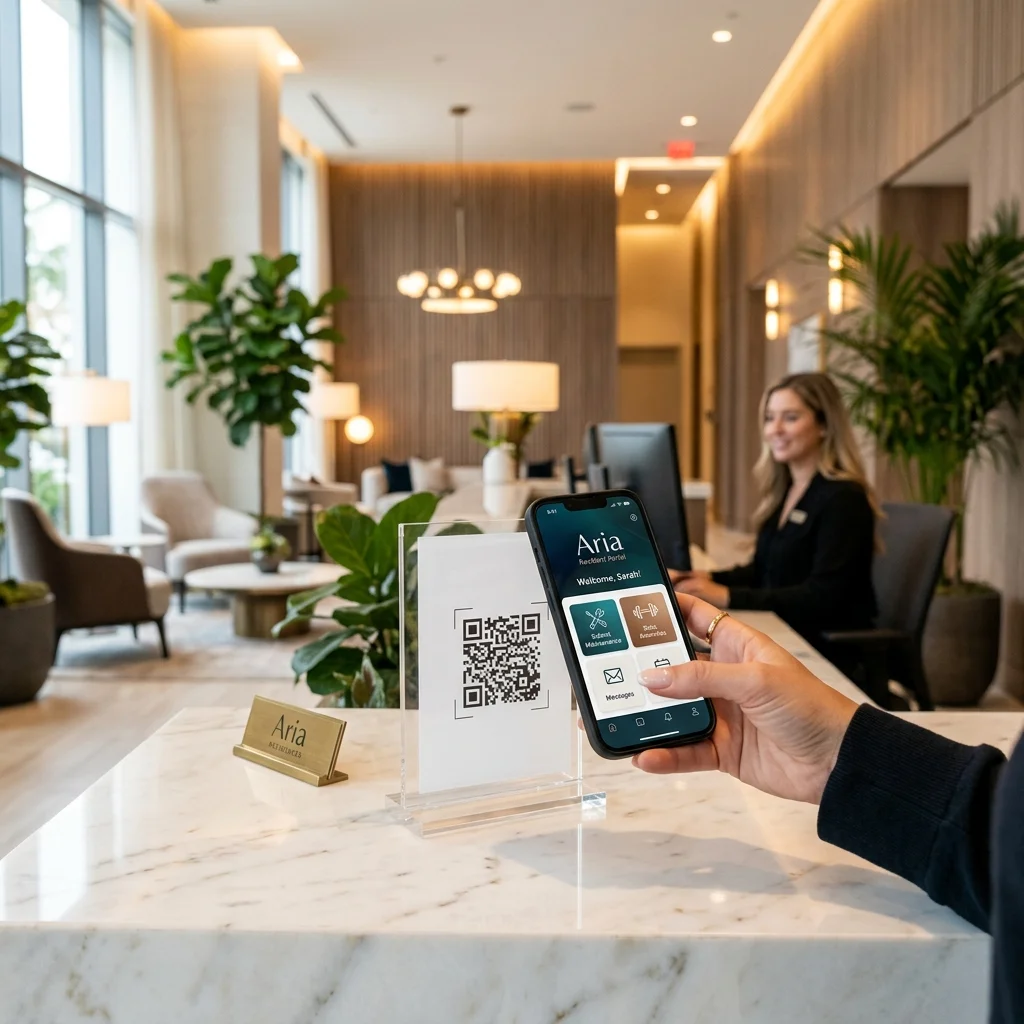
In the fast-paced world of real estate and residential property management, organizations face relentless pressure to harmonize operational efficiency with superior tenant satisfaction. Traditional communication channels—such as physical notices taped to lobby glass, cluttered corkboards, or endless email threads—are increasingly obsolete in a market dominated by mobile-first expectations. Today’s residents demand instantaneous, frictionless interactions that mirror the convenience found in other consumer sectors, much like how QR menus for restaurants revolutionized ordering and engagement. Digital transformation in property management extends far beyond flashy applications or vanity dashboards; it is fundamentally about systematically removing friction from the tenant journey.
Whether a resident is reporting a critical maintenance failure, reserving shared community amenities, or checking emergency building notices, the speed, transparency, and reliability of management's response directly influence lease renewal rates and net operating income. By embedding intelligent physical-to-digital touchpoints into the physical architecture of a building, property management enterprises can bridge the gap between static concrete structures and dynamic digital workflows, ultimately cultivating more responsive, secure, and profitable residential ecosystems.
Executive Summary & Key Takeaways:
- Strategic Shift: Transitioning from reactive, static paper notices and disjointed email threads to proactive, mobile-first phygital communication channels.
- Operational Efficiency: Eliminating manual administrative logs, cutting maintenance dispatch times by up to 40%, and lowering printing overhead.
- Attribution & Analytics: Tracking physical scan engagement in real time to measure resident adoption, optimize common area utilization, and close the offline-to-online loop.
- Implementation Speed: Deploying centralized dynamic QR ecosystems across properties in under 48 hours without disrupting existing infrastructure or locking tenants into native app downloads.
Industry Context & The Root Problem
The contemporary property management landscape is burdened by systemic communication inefficiencies. Legacy administrative models rely heavily on physical friction: paper flyers that are easily ignored or lost, manual sign-up sheets for shared facility booking that invite scheduling conflicts, and phone lines that clog during building emergencies. When tenants encounter a broken elevator, a leaking pipe, or a malfunctioning security gate, the traditional path to resolution involves hunting down a phone number, leaving voicemails, or navigating clunky desktop portals. This high-friction experience frustrates residents, breeds distrust, and drives up administrative overhead as property managers spend countless hours fielding repetitive inquiries and manually logging service requests.
Furthermore, static communication methods create severe operational blind spots for building owners and facilities teams. A paper notice pinned to a lobby door offers zero analytics. Management has no verifiable data on whether residents actually received the notice regarding water shut-offs, elevator maintenance, or safety inspections. This lack of attribution leads to compliance risks, resident grievances, and elevated churn rates. In an era where tenant retention directly dictates asset valuation, failing to modernize building communication is a costly liability. Property portfolios must adopt unified digital solutions that transform physical touchpoints into intelligent gateways, turning every wall, elevator panel, and doorway into an active channel for engagement and service delivery.
Strategic Playbook & Core Architecture
Dynamic Routing & Contextual Triggers
At the core of a successful property management technology stack is the ability to change destination URLs and landing page experiences in real time without altering the physical QR code printed on the asset. Traditional static QR codes lock property managers into permanent destinations, meaning any change in property management software, tenant portals, or maintenance routing requires an expensive and time-consuming physical reprint campaign. In contrast, dynamic QR code architecture utilizes centralized redirection engines. When a resident scans a code placed in a utility room, the system evaluates contextual parameters such as user device type, time of day, and physical location. This enables intelligent app deep linking that routes mobile users directly into native service channels or optimized web forms, ensuring a zero-latency transition from the physical environment to the digital workspace.
Phygital Experience Architecture
Integrating physical-to-digital interactions requires a cohesive architectural framework that aligns physical asset placement with specific operational workflows. Property managers must categorize physical touchpoints throughout the building into distinct zones: entryways and lobbies for broadcast announcements, common areas and amenity spaces for facility bookings, and private units or utility spaces for maintenance requests. Each zone demands a tailored digital destination. For instance, pairing amenity spaces with smart booking engines prevents scheduling disputes, while placing digital business cards (vCard QR) in leasing offices allows prospective tenants to instantly save leasing agent contacts directly to their smartphone address books. This architecture turns physical surfaces into intuitive, self-service portals that operate around the clock.
Analytics & Conversion Feedback Loops
Enterprise property management relies on data-driven decision-making. By leveraging advanced enterprise QR code use cases, management teams gain granular visibility into resident engagement metrics. Analytics dashboards capture total scan volumes, unique visitor counts, geographic distribution across multi-building complexes, and peak interaction times. If a particular maintenance QR code located in a specific wing experiences a sudden surge in scan frequency, facilities management receives an immediate leading indicator of recurring infrastructure issues before they escalate into major capital expenditures. This continuous feedback loop closes the gap between resident behavior and operational response.
Step-by-Step Implementation Roadmap
- Step 1: Audit Physical Touchpoints & Define Objectives — Conduct a comprehensive walk-through of all residential properties to map existing physical communication channels, identify tenant pain points, and define clear conversion goals for maintenance, amenity booking, and announcements.
- Step 2: Establish Centralized Dynamic QR Infrastructure — Partner with an enterprise-grade platform like Bitsbender to generate dynamic QR codes, configure custom domains for white-labeling, and set up secure redirection rules for every building zone.
- Step 3: Design, Test, and Deploy Physical Assets — Create weather-resistant, vandal-proof physical placards and vinyl decals featuring high-contrast QR codes. Rigorously test scan speeds and mobile responsiveness across various iOS and Android devices prior to permanent installation.
- Step 4: Train Staff and Onboard Residents — Educate leasing agents, building superintendents, and maintenance crews on the new workflows. Introduce residents to the touchless system via welcome packets, lobby digital displays, and clear instructional signage.
- Step 5: Monitor Analytics and Refine Operations — Review real-time scan analytics and maintenance submission data weekly. Use these insights to optimize landing page content, adjust amenity booking rules, and continuously improve tenant satisfaction metrics.
Comparative Strategy Matrix
| Strategic Dimension | Legacy / Static Approach | Bitsbender Smart QR Ecosystem | Business Impact & ROI |
|---|---|---|---|
| Update Flexibility | Fixed destination. Reprints required for any change. | Dynamic real-time routing. Instant updates without reprinting. | Eliminates reprint costs & prevents dead links. |
| Attribution & Scan Analytics | Zero tracking. No data on notice visibility or engagement. | Granular analytics tracking scans, devices, time, and location. | Enables data-driven operations and proves resident compliance. |
| Customer UX & Mobile Friction | Clunky portals, manual phone calls, and lost paper flyers. | Instant, touchless web forms, app deep links, and self-service. | Boosts tenant satisfaction and accelerates issue resolution. |
| Security & Tamper Protection | Physical notices easily defaced, removed, or outdated. | Secure HTTPS redirection, password protection, and tamper alerts. | Protects residents from phishing and malicious URL swapping. |
| Scalability & TCO | High administrative overhead, manual logging, and waste. | Centralized multi-property dashboard with rapid mass deployment. | Lowers operational overhead and scales effortlessly across portfolios. |
Security, Compliance & Enterprise Best Practices
Deploying smart digital touchpoints across residential real estate portfolios requires rigorous adherence to enterprise-grade security and data privacy standards. Property management companies handle sensitive personally identifiable information (PII), lease agreements, and financial data, making security non-negotiable. Enterprise QR deployments must utilize end-to-end SSL encryption and secure HTTPS redirection protocols to protect residents against malicious URL hijacking and phishing vulnerabilities. Custom domain white-labeling is essential, ensuring that every scanned destination bears the property brand domain rather than an unfamiliar third-party URL, thereby building immediate trust with residents.
Furthermore, compliance with global data privacy frameworks such as GDPR and CCPA is paramount. Management platforms must provide transparent privacy notices upon scan execution, secure consent mechanisms for data collection, and robust data retention policies that protect resident anonymity where required. Implementing role-based access controls (RBAC) within the central dashboard ensures that only authorized personnel can modify dynamic destination links, view scan analytics, or access maintenance request logs, safeguarding the entire digital ecosystem against unauthorized internal and external threats.
Frequently Asked Questions
How do dynamic QR codes differ from traditional static QR codes in property management?
Static QR codes permanently encode a single URL directly into the matrix pattern, meaning any change to the destination requires physically reprinting and replacing every placard. Dynamic QR codes route scans through a centralized redirection server, allowing property managers to update the destination web page, maintenance form, or building notice in real time without altering or replacing the physical printed code.
Do tenants need to download a mobile application to use building QR codes?
No, modern enterprise QR solutions do not require app downloads. When tenants scan a smart QR code with their smartphone camera, they are instantly directed to lightweight, mobile-optimized web pages, smart forms, or booking portals within their native browser, ensuring zero friction and high adoption rates.
How can property managers measure the effectiveness of their QR code deployment?
Property managers have access to real-time analytics dashboards that track total scan volume, unique users, device distributions, geographic locations, and peak engagement times. These metrics allow management to measure resident adoption rates, evaluate the popularity of building amenities, and track the responsiveness of maintenance teams.
Can QR codes be customized to match individual property branding?
Yes, enterprise platforms allow complete brand customization. Property managers can incorporate brand colors, embed company logos within the center of the QR code, and utilize custom branded domains for all redirection links, ensuring a seamless and professional visual identity across all physical touchpoints.
Strategic Conclusion & Next Steps
Modernizing property management is no longer a futuristic aspiration; it is an operational imperative for real estate leaders seeking to drive tenant retention, streamline workflows, and maximize asset profitability. By bridging the physical-digital divide with intelligent dynamic QR ecosystems, property managers eliminate administrative friction, enhance building transparency, and deliver the mobile-first convenience today's residents expect. The transition from legacy paper notices to dynamic smart touchpoints empowers organizations to operate with unprecedented agility and data-driven precision.
Ready to transform your property portfolio? Deploy your first pilot campaign using intelligent app deep linking and centralized dynamic QR codes today, and experience the future of seamless tenant relations.
Written by The QR Generator Team
We are passionate about connecting physical assets and digital experiences through innovative Smart QR technology. Follow us for the latest guides, industry blueprints, and QR marketing best practices.
Learn more about our mission →Need a Custom QR Code?
Create dynamic, trackable, and branded QR codes with real-time scan metrics in seconds.
Create Free QR CodeContinue Reading
QR Codes for Nonprofits: Simplifying Donations & Volunteer Signups
Discover how nonprofits leverage dynamic QR codes and Smart Pages to eliminate donor friction, automate volunteer onboarding, and increase fundraising ROI.
Building Interactive Museum Exhibits with QR-Powered Audio Guides
Discover how cultural institutions use Bitsbender dynamic QR codes and AI smart pages to deliver immersive audio guides, boost visitor engagement, and track real-time analytics.
The Future of Contactless Payments: QR Code Wallets Beyond India and China
Discover how QR code wallets are transforming global transactions beyond Asia. Learn enterprise strategies using Bitsbender Smart QR codes.