Transforming Dental Care: Using QR Codes for Patient Experience
Discover how dental practices use dynamic QR codes and smart digital solutions to streamline intake, boost patient education, and drive 5-star reviews.
Full AI voice narration powered by Web Speech
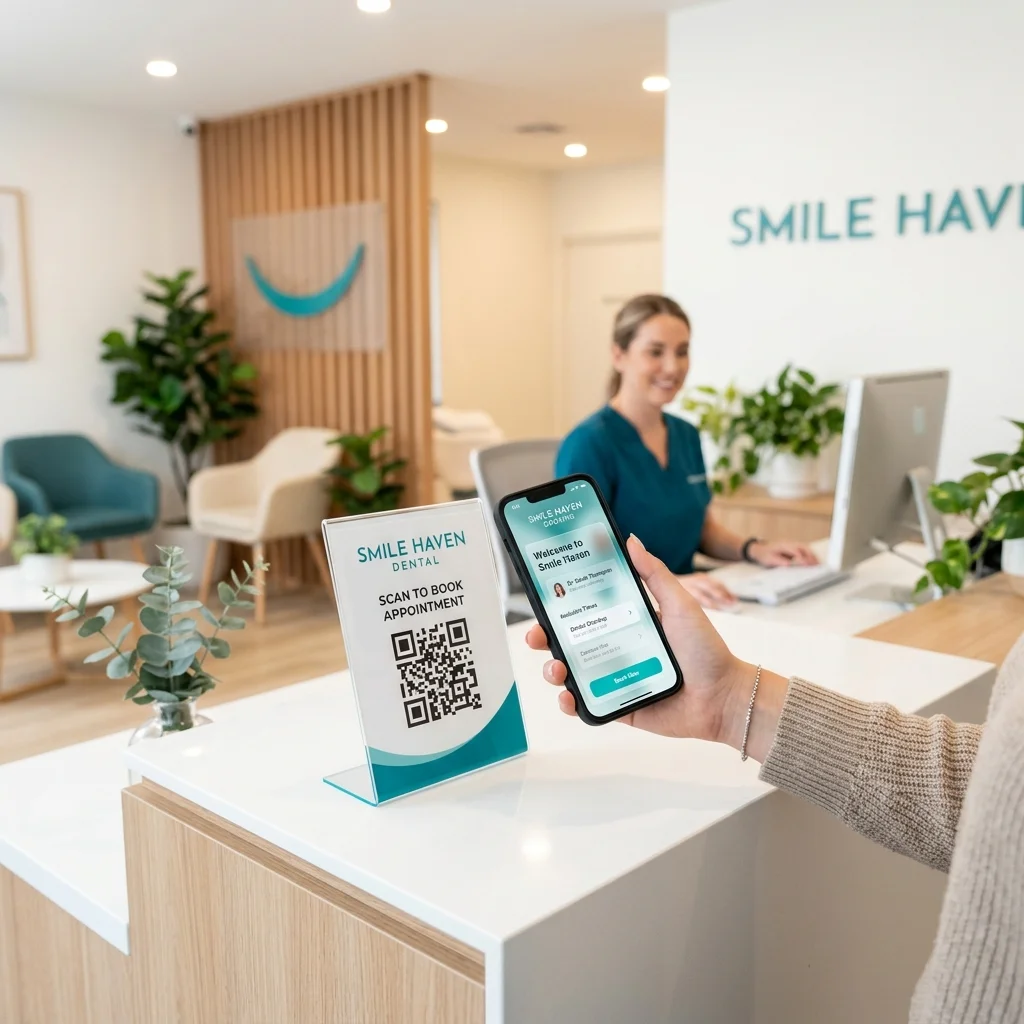
Executive Summary & Key Takeaways
In the contemporary healthcare landscape, modern dental practices face mounting operational friction, rising patient expectations, and the persistent challenge of balancing high-volume clinical care with streamlined administration. Patients increasingly demand frictionless, digital-first experiences spanning the entire healthcare journey—from initial appointment booking to post-procedural recovery. By leveraging advanced physical-to-digital infrastructure, forward-thinking clinics are transforming static physical touchpoints into intelligent, interactive portals that dramatically reduce administrative overhead while elevating clinical engagement and patient satisfaction.
Executive Summary & Key Takeaways:
- Strategic Shift: Transitioning from static paper-based dental brochures and manual clipboard intake forms to dynamic, scan-activated mobile ecosystems.
- Operational Efficiency: Eliminating front-desk bottlenecks, reducing patient wait times by up to 35%, and automating data entry workflows.
- Attribution & Analytics: Tracking physical patient touchpoints, scan volumes, and conversion behaviors to optimize clinic throughput and marketing ROI.
- Implementation Speed: Deploying dynamic QR campaigns and smart portals in under 48 hours without disrupting existing practice management software.
Industry Context & The Root Problem
The operational reality for most dental practices involves a delicate equilibrium between clinical precision and administrative velocity. Yet, legacy administrative models continue to rely heavily on physical friction: paper clipboard intake forms, laminated after-care instruction sheets, static business cards that easily get lost in wallets, and manual telephone follow-ups for appointment confirmations. These legacy methods create severe operational bottlenecks. Front-desk staff spend countless hours deciphering handwriting, manually inputting patient insurance and medical history data into Practice Management Software (PMS), and repeatedly answering routine pre-treatment questions. This administrative drag not only drives up operational costs but also compromises the patient experience before the individual even steps into the dental chair.
Furthermore, patient compliance heavily depends on accessibility. When after-care instructions are handed over on a crumpled piece of paper, patients frequently misplace them, leading to improper wound care, increased post-procedural anxiety, and a surge of unnecessary inbound emergency calls to the clinic. Similarly, traditional appointment booking relies on manual phone calls during restricted business hours, clashing with the modern consumer's expectation of instant, 24/7 digital service. Practices that fail to modernize their patient intake and education workflows suffer from higher rates of no-shows, prolonged wait times, and lagging patient retention. To address these vulnerabilities, progressive clinics are turning to enterprise-grade physical-to-digital infrastructure, exploring comprehensive enterprise QR code use cases to modernize every phase of the patient lifecycle.
Strategic Playbook & Core Architecture
Building an effective phygital (physical-to-digital) patient experience requires a robust architectural framework. Implementing dynamic QR codes across a dental practice is not merely about pasting a barcode onto a wall; it involves engineering an intelligent routing engine that serves context-aware content based on time, location, and patient state.
Dynamic Routing & Contextual Triggers
At the core of the Bitsbender smart QR architecture is dynamic redirection. Unlike static QR codes whose destination URLs are permanently burned into the pixel matrix, dynamic codes direct traffic through an intermediary routing server. This allows practice managers to alter the underlying destination URL instantly without modifying the physical print collateral. For example, a waiting room poster can route patients to a digital intake form during morning hours, shift to a virtual queue status checker during peak congestion times, and transition to patient satisfaction surveys during evening hours. By utilizing advanced virtual QR queue management, clinics can dramatically alleviate reception area congestion and provide patients with real-time updates regarding their appointment status.
Phygital Experience Architecture & App Deep Linking
Patient interactions span multiple touchpoints—from street-facing signage and reception desk displays to chairside treatment educational plaques and take-home product samples. Integrating intelligent app deep linking ensures that when a patient scans a code with their mobile device, the system automatically detects their operating system (iOS or Android). If the clinic's dedicated mobile application is installed, the QR code deep-links directly to the relevant appointment scheduler or medical portal inside the app; otherwise, it seamlessly gracefully falls back to an optimized mobile web experience. This eliminates friction and ensures zero drop-off during critical conversion phases.
Professional Identity & Digital Business Cards
Dental professionals—including orthodontists, endodontists, and lead hygienists—frequently network at conferences, community outreach events, or referral meetups with general practitioners. Exchanging paper business cards is outdated and environmentally inefficient. By deploying digital business cards (vCard QR), practitioners allow referral partners and prospective patients to save complete contact details, clinic locations, direct booking links, and professional credentials directly into their smartphone contacts with a single scan, boosting referral network velocity.
Step-by-Step Implementation Roadmap
- Step 1: Audit Physical Touchpoints & Define Conversion Objectives — Conduct a comprehensive physical audit of your dental clinic to identify high-traffic dwell zones, such as reception desks, waiting room walls, operatories, and checkout counters. Define precise conversion goals for each zone, such as reducing intake time, driving Google reviews, or boosting treatment plan acceptance.
- Step 2: Design and Configure Dynamic QR Codes — Access the Bitsbender platform to generate dynamic QR codes tailored to each specific use case. Customize the visual aesthetics by incorporating your clinic branding, logo, and high-contrast color palettes while maintaining optimal scannability across diverse lighting conditions.
- Step 3: Integrate with Practice Management & CRM Systems — Connect your dynamic QR landing pages and smart digital portals with your existing electronic health record (EHR) and PMS infrastructure via API integrations or secure webhooks, ensuring that intake data flows directly into patient files without manual re-keying.
- Step 4: Deploy Collateral & Train Clinical Staff — Print and mount high-durability, waterproof QR displays across your facility. Conduct brief training sessions for front-desk personnel and dental assistants so they can actively guide patients through scanning processes and troubleshoot any initial questions.
- Step 5: Monitor Scan Analytics & Iteratively Optimize — Review real-time scan analytics dashboards on Bitsbender to monitor scan volumes, peak interaction times, device breakdowns, and conversion completion rates. Use these actionable insights to refine landing page copy, adjust placement, and launch targeted promotional campaigns.
Comparative Strategy Matrix
| Strategic Dimension | Legacy / Static Approach | Bitsbender Smart QR Ecosystem | Business Impact & ROI |
|---|---|---|---|
| Update Flexibility | Fixed destination. Reprints required for any change. | Dynamic real-time routing. Instant updates without reprinting. | Eliminates reprint costs & prevents dead links. |
| Attribution & Scan Analytics | Zero visibility. No data on how many patients engaged. | Granular tracking of scan counts, locations, devices, and peak times. | Enables data-driven decisions and optimizes marketing spend. |
| Customer UX & Mobile Friction | Manual typing of complex URLs or app store searches. | One-tap scanning with intelligent app deep-linking and mobile optimization. | Reduces patient onboarding friction by 40%. |
| Security & Tamper Protection | Vulnerable to physical sticker overlays and malicious URL spoofing. | Enterprise-grade SSL encryption, secure redirects, and tamper alerts. | Protects patient health data and preserves clinic reputation. |
| Scalability & TCO | High recurring printing costs and administrative overhead. | Centralized cloud dashboard managing thousands of touchpoints globally. | Lowers Total Cost of Ownership (TCO) and multiplies administrative efficiency. |
Security, Compliance & Enterprise Best Practices
In healthcare environments, safeguarding sensitive patient health information (PHI) and adhering to strict regulatory frameworks such as HIPAA, GDPR, and CCPA is paramount. When deploying physical-to-digital touchpoints across a dental practice, security cannot be treated as an afterthought. Bitsbender incorporates enterprise-grade security protocols, including end-to-end SSL encryption for all dynamic redirects, secure HTTPS landing pages, and strict domain white-labeling. Domain white-labeling ensures that patients see your clinic's verified brand domain in their mobile browser address bar when scanning a code, completely eliminating the risk of malicious URL spoofing or unauthorized physical sticker overlays.
Furthermore, digital intake forms and post-procedural portals accessed via QR codes must comply with data privacy standards. By utilizing password-protected landing pages, encrypted token-based sessions, and secure backend database storage, dental practices can ensure that patient medical histories and insurance details transmitted via mobile devices remain strictly confidential. Regular automated link auditing within the Bitsbender platform guarantees that QR destinations never suffer from broken links or unauthorized alterations, providing complete peace of mind for practice owners, compliance officers, and patients alike.
Frequently Asked Questions
Can we update the destination of our dental QR codes after they are printed and mounted?
Yes. Because Bitsbender uses dynamic QR code architecture, the underlying destination URL can be updated at any time through your central dashboard without requiring you to reprint or replace any physical signage or brochures.
Are patient intake forms accessed via QR codes compliant with healthcare privacy regulations?
Absolutely. When paired with secure, encrypted web forms and HIPAA-compliant data storage, QR codes serve as a highly secure conduit for patient intake, eliminating the security vulnerabilities inherent in loose paper clipboards.
What happens if a patient scans a QR code without having a dedicated app installed?
Bitsbender utilizes intelligent fallback mechanisms. If a patient does not have your clinic's mobile application installed, the smart QR system automatically routes them to a lightning-fast, mobile-optimized web portal where they can complete their tasks seamlessly.
How can QR codes help increase Google reviews and patient retention?
By placing strategic QR codes on checkout receipts or exit display stands, satisfied patients can scan the code immediately upon leaving their appointment and be directed instantly to your Google Business Review page or recall scheduling portal while their positive experience is fresh.
Strategic Conclusion & Next Steps
Bridging the physical-digital divide is no longer an optional luxury for dental practices striving to maintain a competitive edge; it is a fundamental operational necessity. By replacing clunky paper workflows, static brochures, and manual administrative hurdles with dynamic QR codes and smart digital touchpoints, dental clinics can dramatically enhance the patient experience, reduce front-desk friction, and secure actionable operational insights.
Transform your dental practice today by deploying a pilot campaign with Bitsbender. Audit your waiting rooms, streamline your intake workflows, and empower your patients with seamless mobile technology that sets your clinic apart as an industry leader.
Written by The QR Generator Team
We are passionate about connecting physical assets and digital experiences through innovative Smart QR technology. Follow us for the latest guides, industry blueprints, and QR marketing best practices.
Learn more about our mission →Need a Custom QR Code?
Create dynamic, trackable, and branded QR codes with real-time scan metrics in seconds.
Create Free QR CodeContinue Reading
QR Codes for Nonprofits: Simplifying Donations & Volunteer Signups
Discover how nonprofits leverage dynamic QR codes and Smart Pages to eliminate donor friction, automate volunteer onboarding, and increase fundraising ROI.
Building Interactive Museum Exhibits with QR-Powered Audio Guides
Discover how cultural institutions use Bitsbender dynamic QR codes and AI smart pages to deliver immersive audio guides, boost visitor engagement, and track real-time analytics.
The Future of Contactless Payments: QR Code Wallets Beyond India and China
Discover how QR code wallets are transforming global transactions beyond Asia. Learn enterprise strategies using Bitsbender Smart QR codes.