Smart Cemetery Management: Transforming Memorials with Dynamic QR Codes
Discover how deathcare operators use dynamic QR codes and AI Smart Pages to create interactive digital memorials, streamline operations, and drive revenue.
Full AI voice narration powered by Web Speech
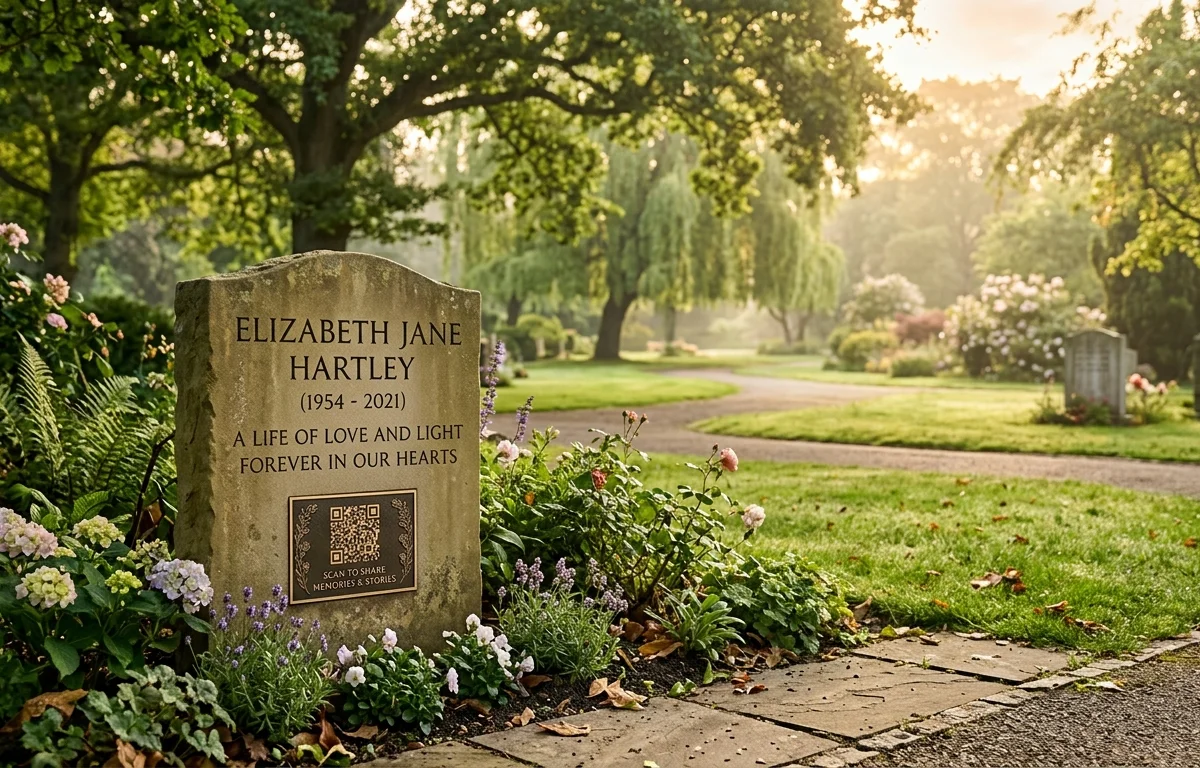
The deathcare and cemetery management industry is undergoing a profound paradigm shift. For centuries, memorials have remained static, bound by the physical constraints of granite, bronze, and marble. However, as digital-native generations face the responsibility of honoring their departed loved ones, their expectations for memorialization are shifting from passive viewing to active, interactive engagement. Modern families seek to preserve rich, multi-dimensional narratives—including video histories, family trees, audio recordings, and real-time condolence books—that simply cannot fit on a standard headstone. Forward-thinking cemetery operators, municipal authorities, and monument builders are recognizing this cultural shift not as a challenge, but as an unprecedented operational and commercial opportunity to modernize their services.
Integrating physical-to-digital touchpoints into cemetery infrastructure transforms silent, static spaces into vibrant, storytelling landscapes. By deploying dynamic QR codes and personalized AI-driven Smart Pages directly onto headstones, columbaria, and memorial gardens, operators can offer families a secure, perpetual digital sanctuary. This digital layer does not replace the physical monument; rather, it elevates it, creating a seamless bridge between physical presence and digital memory. For cemetery administrators, this technology introduces new revenue streams, optimizes land use, and drastically reduces the administrative burden of handling genealogical inquiries and visitor navigation.
Executive Summary & Key Takeaways:
- Strategic Shift: Transitioning from static, space-limited physical headstones to interactive, unlimited digital memorialization via dynamic QR codes and Smart Pages.
- Operational Efficiency: Streamlining visitor navigation, reducing staff-led genealogical search requests, and automating self-guided tours of historical sections.
- Attribution & Analytics: Harnessing real-time scan metrics to measure visitor engagement, optimize physical signage placement, and plan maintenance schedules.
- Implementation Speed: Rapid deployment using durable, weatherproof physical materials paired with cloud-hosted, instantly updatable dynamic QR routing.
Industry Context & The Root Problem
The traditional cemetery business model faces severe structural and cultural headwinds. Land scarcity is a pressing issue globally, forcing operators to maximize the utility of existing plots and columbaria. Simultaneously, monument design is restricted by physical dimensions and local cemetery regulations, limiting the amount of biographical text, imagery, and historical context that can be engraved. Families are frequently forced to reduce a rich, complex lifetime into a mere name, birth date, and death date. This compression of legacy results in a loss of historical continuity, leaving future generations disconnected from their ancestors.
Furthermore, legacy offline processes generate significant operational friction for cemetery administrators. Staff members spend countless hours manually cross-referencing paper ledgers or legacy software databases to assist families and genealogists in locating specific gravesites. Visitors frequently experience frustration when trying to navigate vast, maze-like grounds without real-time, location-aware guidance. Additionally, traditional static print materials, physical maps, and brochure dispensers are costly to maintain, prone to weather damage, and impossible to update without incurring recurring print fees. By failing to bridge the gap between physical sites and digital information, cemeteries miss vital opportunities to connect with younger, digitally savvy demographics who expect instant access to information. Integrating modern enterprise QR code use cases into public and private spaces solves these problems, allowing cemeteries to operate as smart, self-service environments.
Strategic Playbook & Core Architecture
Dynamic Content Routing & AI Smart Pages
The core architecture of a smart cemetery relies on separating the physical touchpoint from the digital destination. Static QR codes, which hardcode a single URL into the pixel pattern, are highly vulnerable; if the destination website changes, the physical code becomes permanently broken, requiring an expensive, destructive replacement of the headstone plaque. In contrast, Bitsbender Dynamic QR Codes act as a flexible routing layer. The physical code remains identical, while the underlying destination URL can be updated instantly in the cloud at any time. This guarantees that the digital memorial can evolve alongside the family's needs over decades.
These dynamic links route visitors to highly optimized, mobile-first Smart Pages. These pages serve as secure digital vaults hosting rich media galleries, detailed biographies, interactive family trees, audio eulogies, and digital guestbooks where visitors can leave tributes. Because these pages are managed via a centralized, user-friendly dashboard, families can easily update the content from their own devices without needing technical expertise or administrative intervention. This self-service model empowers families to maintain their own legacies, while cemetery operators retain administrative oversight to ensure community standards and content guidelines are consistently met.
Physical-to-Digital Memorial Architecture
To withstand the elements over decades, the physical implementation of QR codes in a cemetery environment requires specialized materials and precise engineering. Standard paper, vinyl, or low-grade plastic stickers are entirely unsuitable for outdoor memorialization. Instead, operators must utilize highly durable, weatherproof materials such as laser-etched anodized aluminum, marine-grade stainless steel, or porcelain-enameled steel plaques. These plaques can be seamlessly inset into granite headstones, mounted on bronze markers, or affixed to columbarium niche doors using industrial-grade, weather-resistant adhesives or mechanical fasteners.
The visual integration must also be handled with care to maintain the solemnity and aesthetic harmony of the sacred space. Modern laser-engraving technologies allow QR codes to be etched directly into the stone or metal with high contrast and precision, ensuring a high "scannability index" even under direct sunlight or in shaded areas. Additionally, incorporating subtle, elegant framing or brief instructional call-outs—such as "Scan to remember our beloved"—helps guide visitors on how to interact with the monument, bridging the gap between traditional reverence and digital exploration.
Analytics, Attribution, and Legacy Continuity
A key operational benefit of deploying dynamic QR codes across cemetery grounds is the generation of rich, anonymized scan analytics. Every time a visitor scans a code, the Bitsbender platform captures valuable data points, including the time of the scan, geographic location, device operating system, and browser language. This information provides cemetery administrators with unprecedented insights into visitor traffic patterns, peak visitation hours, and the popularity of historical or high-profile gravesites. These insights can directly inform landscape maintenance schedules, security patrol routing, and the allocation of physical resources.
Importantly, this analytics loop operates with strict adherence to privacy standards, ensuring that no personally identifiable information (PII) is captured from visitors. For families, these analytics offer a comforting metric of remembrance, showing them how often their loved loved one's story is being read and engaged with by the community. To ensure decades-long continuity, the platform utilizes redundant cloud hosting, enterprise-grade data backups, and custom white-labeled domain structures, guaranteeing that the digital threads connecting the physical grave to the cloud remain unbroken for generations to come. Read about other physical-to-digital transformations in our real-world QR success stories.
Step-by-Step Implementation Roadmap
- Step 1: Audit Physical Infrastructure & Map Memorial Zones — Conduct a comprehensive physical audit of the cemetery grounds to identify key deployment zones, including historical gravesites, active burial sections, columbaria, and botanical gardens. Define specific conversion objectives, such as reducing navigational inquiries or launching interactive historical walking tours.
- Step 2: Establish Digital Memorial Guidelines & Templates — Create standardized, elegant Smart Page templates within the Bitsbender dashboard. Define content guidelines, storage limits, and moderation workflows to ensure all user-generated digital memorials align with the cemetery's aesthetic and operational standards.
- Step 3: Partner with Monument Builders for Material Sourcing — Collaborate with local stonemasons and monument manufacturers to select durable, weather-resistant materials (e.g., anodized aluminum or laser-etched granite plaques) that match the cemetery's existing design language and can withstand decades of exposure.
- Step 4: Generate & Link Dynamic QR Codes — Generate high-resolution dynamic QR codes in bulk via the Bitsbender platform. Link each physical code to its corresponding digital Smart Page, ensuring that administrators can update the destination URLs instantly without modifying the physical plaques.
- Step 5: Train Staff & Launch Public Awareness Campaigns — Equip cemetery administrative and field staff with the knowledge to explain, troubleshoot, and upsell digital memorial packages to families. Install clear, respectful informational signage at main entrances and visitor centers to introduce the smart cemetery features to the public.
Comparative Strategy Matrix
| Strategic Dimension | Legacy / Static Approach | Bitsbender Smart QR Ecosystem | Business Impact & ROI |
|---|---|---|---|
| Update Flexibility | Fixed stone engraving. Completely unchangeable once carved. | Dynamic real-time routing. Instant digital updates via cloud dashboard. | Eliminates costly re-engraving fees and prevents outdated information. |
| Attribution & Scan Analytics | No data on visitor engagement or traffic patterns. | Comprehensive, real-time scan metrics (time, location, device type). | Optimizes maintenance scheduling, security routing, and resource allocation. |
| Customer UX & Mobile Friction | Manual searches of paper maps or physical directories. | Instant, one-scan access to mobile-optimized Smart Pages and GPS routing. | Reduces visitor frustration and administrative staff workload by up to 40%. |
| Security & Tamper Protection | Vulnerable to physical vandalism or weathering over time. | Secure, cloud-hosted redirects with tamper-proof digital access controls. | Protects family legacies from unauthorized edits and physical degradation. |
| Scalability & TCO | High cost per character; physical space limitations restrict content. | Unlimited digital storage, media hosting, and scalable multi-site deployment. | Unlocks high-margin, recurring digital maintenance and memorial upgrade fees. |
Security, Compliance & Enterprise Best Practices
Operating a smart cemetery requires a rigorous commitment to security, privacy, and data durability. Because digital memorials represent a family’s permanent legacy, the underlying technology must be built on enterprise-grade infrastructure. All data transmissions between the physical scan and the digital Smart Page must be protected using industry-standard SSL/TLS encryption. Furthermore, the redirection engine must deliver zero-latency routing to ensure that visitors, often standing in outdoor environments with varying cellular coverage, experience fast, seamless load times.
To maintain a professional and unified brand identity, cemetery operators should utilize custom domain white-labeling. This ensures that when a visitor scans a QR code, the browser URL displays the cemetery’s official domain (e.g., memorial.yourcemetery.com/beloved-name) rather than a generic third-party address. This builds trust and reinforces the authority of the physical institution. Compliance with global data privacy frameworks, such as GDPR and CCPA, is also paramount; visitor tracking must remain strictly anonymous, and families must have absolute control over their digital data, including the right to modify, export, or permanently delete their records. Finally, implementing robust digital inheritance protocols ensures that ownership of the digital memorial can be securely transferred to designated family stewards across generations.
Frequently Asked Questions
How long do the physical QR code plaques last in outdoor conditions?
When manufactured using premium materials like laser-etched anodized aluminum, marine-grade stainless steel, or porcelain-enameled steel, the physical plaques are designed to withstand extreme weather conditions, UV exposure, and temperature fluctuations for decades without fading or degrading. This ensures long-term scannability and structural integrity.
Can families update the content on the digital memorial themselves?
Yes. The Bitsbender platform provides a secure, user-friendly client portal that allows designated family administrators to easily update text, upload new photos or videos, and manage guestbook entries in real-time from any device, without needing technical assistance from cemetery staff.
What happens if the cemetery's website or domain changes in the future?
Because the physical plaques utilize dynamic QR codes, the underlying destination URLs can be instantly updated in bulk via the centralized cloud dashboard. If the cemetery undergoes a rebranding or changes its domain structure, the physical codes remain fully functional and can be redirected to the new web addresses in seconds.
How do dynamic QR codes help with cemetery navigation and self-guided tours?
By placing dynamic QR codes at key intersections, historical landmarks, or specific gravesites, operators can provide visitors with instant access to interactive GPS maps, historical narratives, and audio guides. This turns a standard cemetery visit into an educational, self-guided exploration, reducing the need for physical brochures and staff assistance.
Strategic Conclusion & Next Steps
The digitization of the deathcare sector is no longer a futuristic concept; it is a current operational reality. By bridging the physical permanence of traditional headstones with the infinite storytelling capacity of dynamic QR codes and Smart Pages, cemetery operators can offer modern families a deeply meaningful, interactive way to preserve their legacies. This physical-to-digital integration not only enhances the visitor experience but also drives significant operational efficiencies, simplifies site navigation, and unlocks profitable, high-margin revenue streams through digital memorialization packages.
For operators looking to secure a competitive advantage, the path forward begins with a structured pilot program. By selecting a high-traffic historical section or a newly developed columbarium, administrators can quickly deploy and test a smart memorial system, gathering valuable feedback from staff and visitors alike. Embrace the future of memorialization and elevate your community’s legacy. Partner with Bitsbender to deploy a secure, scalable, and elegant smart cemetery solution today.
Written by The QR Generator Team
We are passionate about connecting physical assets and digital experiences through innovative Smart QR technology. Follow us for the latest guides, industry blueprints, and QR marketing best practices.
Learn more about our mission →Need a Custom QR Code?
Create dynamic, trackable, and branded QR codes with real-time scan metrics in seconds.
Create Free QR CodeContinue Reading
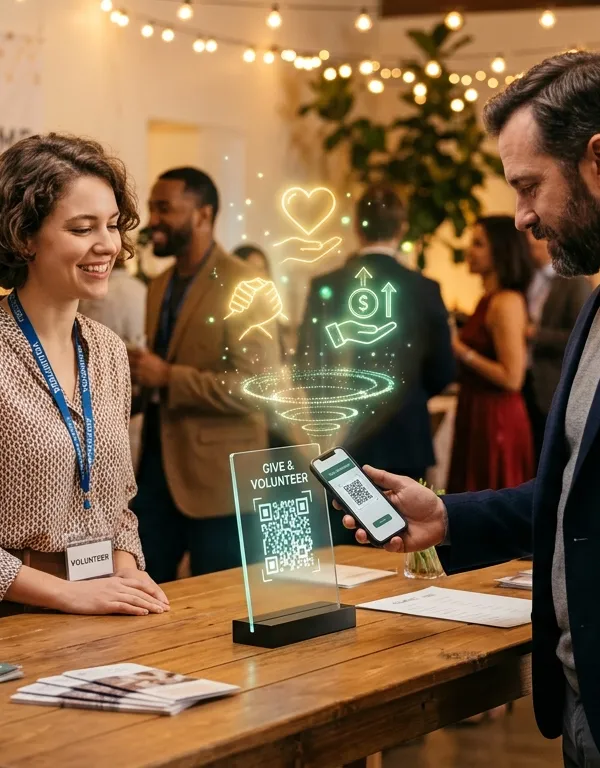
QR Codes for Nonprofits: Simplifying Donations & Volunteer Signups
Discover how nonprofits leverage dynamic QR codes and Smart Pages to eliminate donor friction, automate volunteer onboarding, and increase fundraising ROI.
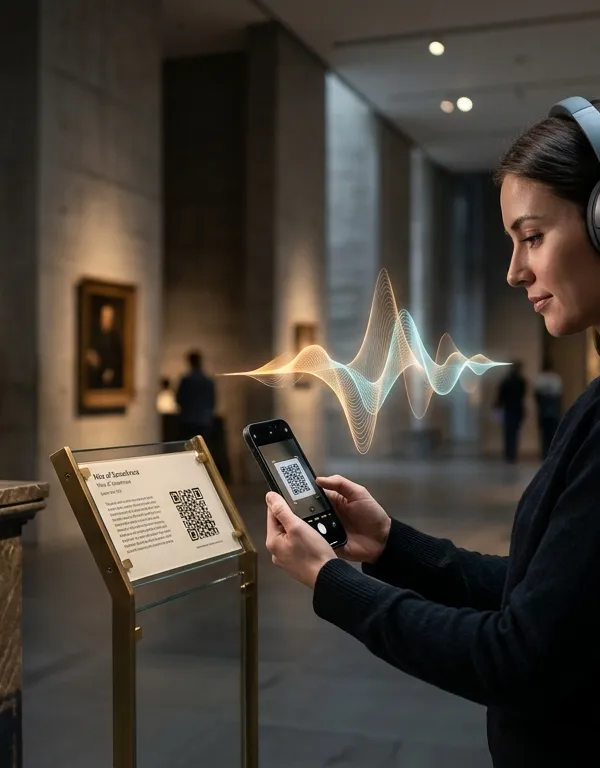
Building Interactive Museum Exhibits with QR-Powered Audio Guides
Discover how cultural institutions use Bitsbender dynamic QR codes and AI smart pages to deliver immersive audio guides, boost visitor engagement, and track real-time analytics.

The Future of Contactless Payments: QR Code Wallets Beyond India and China
Discover how QR code wallets are transforming global transactions beyond Asia. Learn enterprise strategies using Bitsbender Smart QR codes.