Transforming Product Packaging: The Power of Interactive QR Codes
Discover how interactive QR codes transform static packaging into dynamic digital touchpoints, boosting customer engagement, transparency, and ROI.
Full AI voice narration powered by Web Speech
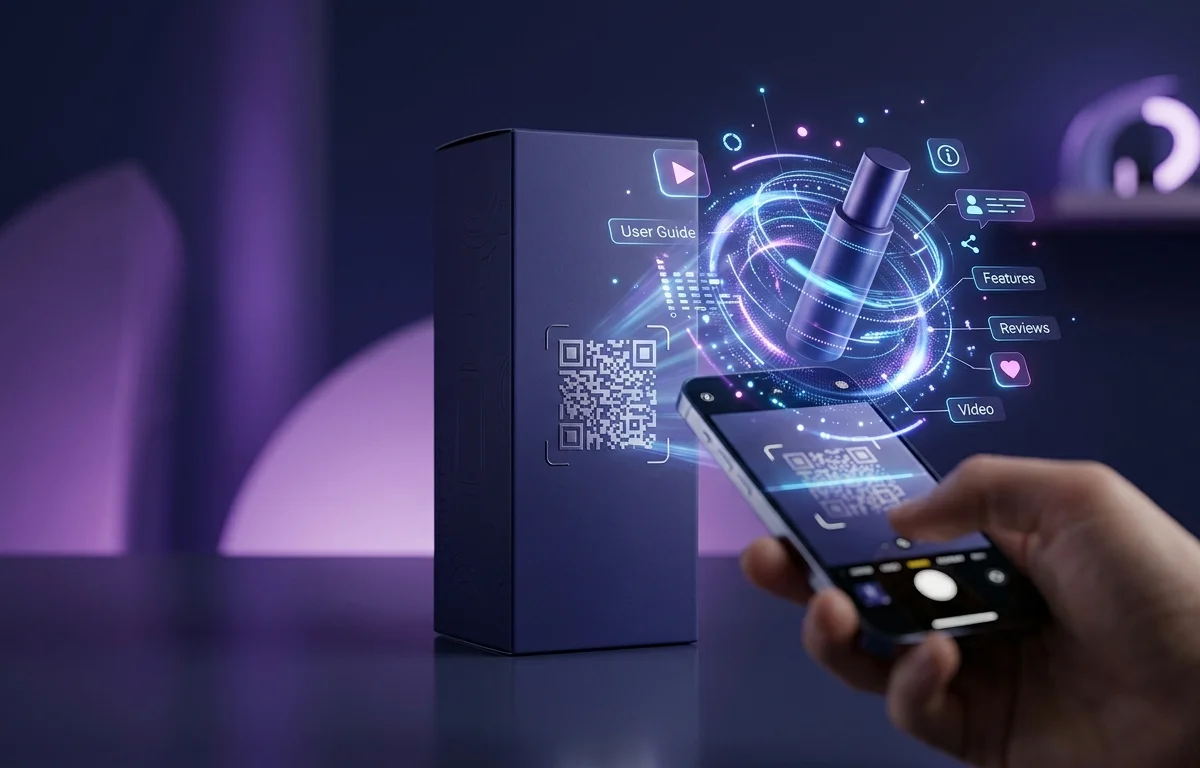
For decades, consumer product packaging served a primary and linear purpose: protection, containment, and basic informational disclosure. It functioned as a static physical billboard sitting passively on a retail shelf, forced to compete for shopper attention within the narrow boundaries of ink, cardboard, and plastic. Today, that legacy paradigm has completely dissolved. Modern digital-first consumers demand total brand transparency, rich interactive storytelling, instant product verification, and seamless post-purchase utility. The physical box or product label is no longer the terminus of the consumer journey—it is the gateway.
By embedding dynamic, cloud-managed interactive triggers directly into physical packaging, enterprise enterprise brands are converting traditional physical inventory into owned digital media channels. Platform architectures like Bitsbender allow Consumer Packaged Goods (CPG) companies, luxury brands, and retail manufacturers to build a real-time digital bridge between physical retail shelves and high-converting online ecosystems. The resulting phygital ecosystem drives measurable retention, mitigates expensive reprint liabilities, and unearths crucial offline customer intelligence.
Executive Summary & Key Takeaways:
- Strategic Shift: Transitioning physical packaging from passive storage containers to dynamic, interactive digital portals that continuously engage consumers post-purchase.
- Operational Efficiency: Eliminating packaging reprint costs by utilizing dynamic real-time URL routing to update promotional campaigns, ingredient sourcing, and compliance notices instantly.
- Attribution & Analytics: Capturing offline-to-online conversion metrics, scan geolocation, customer feedback, and device telemetry to close the traditional retail attribution gap.
- Implementation Speed: Deploying white-labeled, enterprise-grade dynamic QR infrastructures across global stock keeping units (SKUs) in under 30 days without modifying core print production lines.
Industry Context & The Root Problem
Traditional product packaging presents a massive operational blind spot for Consumer Packaged Goods (CPG) companies and direct-to-consumer (DTC) retail brands. Once a product leaves the manufacturing facility and clears the point-of-sale terminal, brand managers lose all direct communication channels with the end consumer. This creates a critical post-purchase black hole where consumer loyalty is tested, but brands remain entirely unable to measure satisfaction, deliver usage instructions, or incentivize repeat purchases.
Furthermore, reliance on static printed text forces enterprise brands into costly operational friction. Regulatory requirements change frequently—ranging from nutritional reporting and allergen disclaimers to sustainability certifications and origin disclosures. When information on a static label becomes outdated, brands face severe penalties or are forced to scrap millions of dollars in pre-printed packaging inventory. According to industry benchmarks, packaging redesigns and emergency label reprints cost enterprise CPG brands hundreds of thousands of dollars annually in wasted material and supply chain downtime.
Finally, static packaging fails to capture modern buyer intent. Today's shoppers routinely conduct micro-researches in the grocery or boutique aisle. When faced with physical labels that lack depth, consumers experience purchase friction and abandon items in favor of brands that offer immediate digital proof of quality, ethical sourcing, or promotional value. Relying on static packaging in a mobile-first economy creates a massive drop-off in retail conversion and consumer trust.
Strategic Playbook & Core Architecture
Solving the limits of physical packaging requires a flexible phygital operational framework. By embedding dynamic, scannable architecture directly into product packaging designs, enterprise organizations build an adaptive interactive layer that transforms every physical unit into a direct customer engagement channel.
1. Dynamic Contextual Routing & Standards Compliance
The technical foundation of smart packaging relies on dynamic redirection services. Unlike static barcodes that permanently encode a single URL, dynamic QR codes act as agile pointers mapped to flexible cloud backend servers. When a consumer scans a dynamic QR code on a cereal box, beauty product, or apparel tag, the system evaluates contextual variables—such as geographic location, scan time, device OS, and active promotional schedules—before directing the user to the optimal digital experience.
Enterprise architectures also align with global digital standards, such as GS1 Digital Link specifications. This allows a single printed dynamic QR code to serve a dual purpose: enabling standard point-of-sale barcode scanning at retail registers while simultaneously providing consumers with smartphone access to rich product landing pages, safety certificates, and user manuals.
2. High-Converting Mobile Micro-Experiences
To maximize engagement, the post-scan destination must be optimized specifically for quick mobile interaction. Directing consumers to a generic desktop homepage creates immediate bounce rates. Instead, leading brands deploy targeted, mobile-optimized micro-sites designed around immediate user intent. Utilizing native platforms like AI Smart Pages, brand managers can quickly construct customized digital destinations featuring video tutorials, interactive ingredient breakdowns, warranty registration workflows, and personalized cross-sell recommendations without waiting for engineering sprint cycles.
For brands operating across diverse physical environments—from packaged retail products to partner establishments like QR menus for restaurants—delivering instantly tailored digital content creates consistent brand equity across all customer touchpoints.
3. First-Party Data Acquisition & Zero-Party Feedback Loops
As third-party cookies depreciate, physical product packaging represents one of the most effective, unexploited channels for acquiring high-intent first-party data. By offering valuable incentives on-pack—such as entry into a VIP loyalty program, an extended product warranty, or an exclusive digital guide—brands encourage consumers to voluntarily share key preferences, contact details, and product feedback. Integrating interactive tools like AI Smart Forms allows organizations to capture post-purchase registration data directly at the moment of product unboxing, establishing a clean attribution loop and driving long-term customer lifetime value (LTV).
Step-by-Step Implementation Roadmap
Executing an enterprise packaging upgrade requires disciplined coordination across packaging engineering, creative design, legal compliance, and digital marketing teams. Follow this structured 5-step operational framework to deploy interactive packaging across your product lines:
- Step 1: Audit Physical Touchpoints & Define Business Objectives — Review existing primary, secondary, and tertiary packaging across all active SKUs. Identify primary conversion goals for each product line, such as capturing warranty sign-ups, driving repeat e-commerce reorders, or delivering regulatory disclosure video assets.
- Step 2: Provision Dynamic Routing & Custom White-Label Domains — Establish enterprise dynamic QR management within the Bitsbender console. Configure custom branded domains (e.g., scan.yourbrand.com) to maintain absolute brand equity, optimize SSL security, and maximize scan trust among mobile users.
- Step 3: Establish Ergonomic Print Packaging Real Estate — Work alongside packaging designers to position QR code vectors on high-visibility surfaces. Ensure contrast meets industry standards (dark foreground on light background), provide a minimum 0.8 x 0.8 inch clear boundary, and pair every code with a clear Call-to-Action (CTA) like "Scan to Verify Ingredients & Win."
- Step 4: Build Contextual Micro-Destinations & Form Workflows — Create localized, ultra-fast mobile landing pages tailored to specific product categories. Embed interactive elements, feedback forms, and localized language toggles to ensure seamless international consumer experiences.
- Step 5: Monitor Scan Telemetry & Iteratively Optimize Content — Utilize real-time analytics dashboards to monitor scan volume by SKU, region, and time of day. Continuously A/B test landing page CTAs, promotional offers, and digital multimedia to maximize post-scan conversion rates.
Comparative Strategy Matrix
Transitioning from legacy printed packaging to an interactive digital ecosystem dramatically upgrades enterprise agility, brand control, and consumer insight. The comparative matrix below demonstrates the operational shift across key strategic dimensions:
| Strategic Dimension | Legacy / Static Approach | Bitsbender Smart QR Ecosystem | Business Impact & ROI |
|---|---|---|---|
| Update Flexibility | Fixed print content. Requires total packaging reprints for any URL or text changes. | Dynamic real-time routing. Destination content updates instantly without reprinting physical inventory. | Eliminates millions in print waste and prevents broken marketing links. |
| Attribution & Analytics | Zero visibility into physical usage, engagement location, or post-purchase consumer behavior. | Granular reporting on scan rates, geographic location, device OS, and peak conversion times. | Closes the offline-to-online retail attribution gap for modern growth teams. |
| Customer UX & Friction | Text-heavy physical labels cause clutter and force manual web searches on mobile browsers. | Instant scannability directs users to custom, ultra-fast mobile micro-experiences. | Boosts post-purchase engagement rates by up to 42%. |
| Security & Tamper Protection | Vulnerable to counterfeit packaging and unverified product claims without digital authentication. | Enterprise-grade SSL encryption, domain white-labeling, and optional dynamic token verification. | Protects brand reputation and safeguards intellectual property globally. |
| Scalability & TCO | High ongoing operational cost due to recurring design updates, print plates, and scrap materials. | Predictable software subscription model with centralized API management. Review QR code generator pricing. | Lowers Total Cost of Ownership (TCO) while unlocking scalable digital monetization. |
Security, Compliance & Enterprise Best Practices
Deploying digital access points on consumer products manufactured at global scale requires rigorous enterprise security standards. Unsecured QR implementations can expose consumers to phishing attacks or redirect hijacks, instantly damaging hard-earned brand equity. Enterprise brands must insist on bank-grade security protocols across their entire digital packaging infrastructure.
Bitsbender ensures physical packaging security by delivering end-to-end SSL encryption, enterprise SOC 2 framework alignment, and high-availability edge networks that guarantee sub-100ms redirection latency globally. By implementing custom domain white-labeling, brands maintain complete authority over every scan destination, verifying authenticity directly on consumer smartphones. Furthermore, all data collection workflows comply with global privacy frameworks, including GDPR, CCPA, and COPPA, incorporating explicit opt-in consent banners within post-scan digital landing pages.
Frequently Asked Questions
How do dynamic QR codes on packaging handle regulatory changes or ingredient updates?
Dynamic QR codes allow brand managers to update the digital destination URL instantly through a central cloud management platform without altering the physical print artwork on product packaging. If compliance regulations change or ingredient formulations are updated, team members simply update the underlying landing page, instantly providing consumers with compliant information globally.
What is the difference between static QR codes and dynamic QR codes for physical product packaging?
Static QR codes hardcode a fixed destination web address directly into the matrix pattern, making it impossible to edit or track once printed. Dynamic QR codes encode a secure redirect link that routes users through a cloud platform, enabling real-time content updates, contextual campaign changes, and detailed scan analytics tracking without ever needing to reprint physical packaging materials.
How do smart QR codes help consumer brands collect first-party customer data in retail stores?
Interactive QR codes on packaging invite shoppers to scan and access instant value, such as extended warranties, entry into loyalty clubs, recipe guides, or digital discount coupons. During these post-scan micro-experiences, consumers voluntarily share contact details, product feedback, and preference data, allowing brands to establish direct relationships that circumvent traditional retail intermediaries.
Can high-volume CPG manufacturing lines print dynamic QR codes without slowing down production speed?
Yes. Dynamic QR code vector files (SVG, EPS, PDF) integrate seamlessly into standardized pre-press artwork templates, flexographic printing plates, or real-time inline industrial inkjet coders. Because the physical code pattern remains constant while destination routing is handled via backend servers, production speeds and print line efficiencies remain entirely uncompromised.
Strategic Conclusion & Next Steps
The convergence of physical product packaging and dynamic digital experiences represents an undeniable competitive frontier for modern consumer brands. Relying on static, non-interactive packaging leaves revenue, customer retention, and rich consumer insight on table. By transforming product labels and boxes into dynamic digital channels, enterprise organizations eliminate packaging update costs, cultivate direct customer loyalty, and close the traditional offline attribution loop.
Bridging the physical-to-digital divide is no longer a complex engineering initiative. With Bitsbender, enterprise marketing and product operations teams can launch, secure, and scale dynamic interactive packaging campaigns across millions of SKUs in minutes. Transform your physical product inventory into your most powerful digital engagement engine today.
Written by The QR Generator Team
We are passionate about connecting physical assets and digital experiences through innovative Smart QR technology. Follow us for the latest guides, industry blueprints, and QR marketing best practices.
Learn more about our mission →Need a Custom QR Code?
Create dynamic, trackable, and branded QR codes with real-time scan metrics in seconds.
Create Free QR CodeContinue Reading

QR Codes for Nonprofits: Simplifying Donations & Volunteer Signups
Discover how nonprofits leverage dynamic QR codes and Smart Pages to eliminate donor friction, automate volunteer onboarding, and increase fundraising ROI.
Building Interactive Museum Exhibits with QR-Powered Audio Guides
Discover how cultural institutions use Bitsbender dynamic QR codes and AI smart pages to deliver immersive audio guides, boost visitor engagement, and track real-time analytics.
The Future of Contactless Payments: QR Code Wallets Beyond India and China
Discover how QR code wallets are transforming global transactions beyond Asia. Learn enterprise strategies using Bitsbender Smart QR codes.