Why Progressive Web Apps and QR Codes Are the Ultimate Marketing Pair
Discover how combining Dynamic QR Codes with Progressive Web Apps (PWAs) eliminates app store friction, boosts conversions, and drives phygital engagement.
Full AI voice narration powered by Web Speech
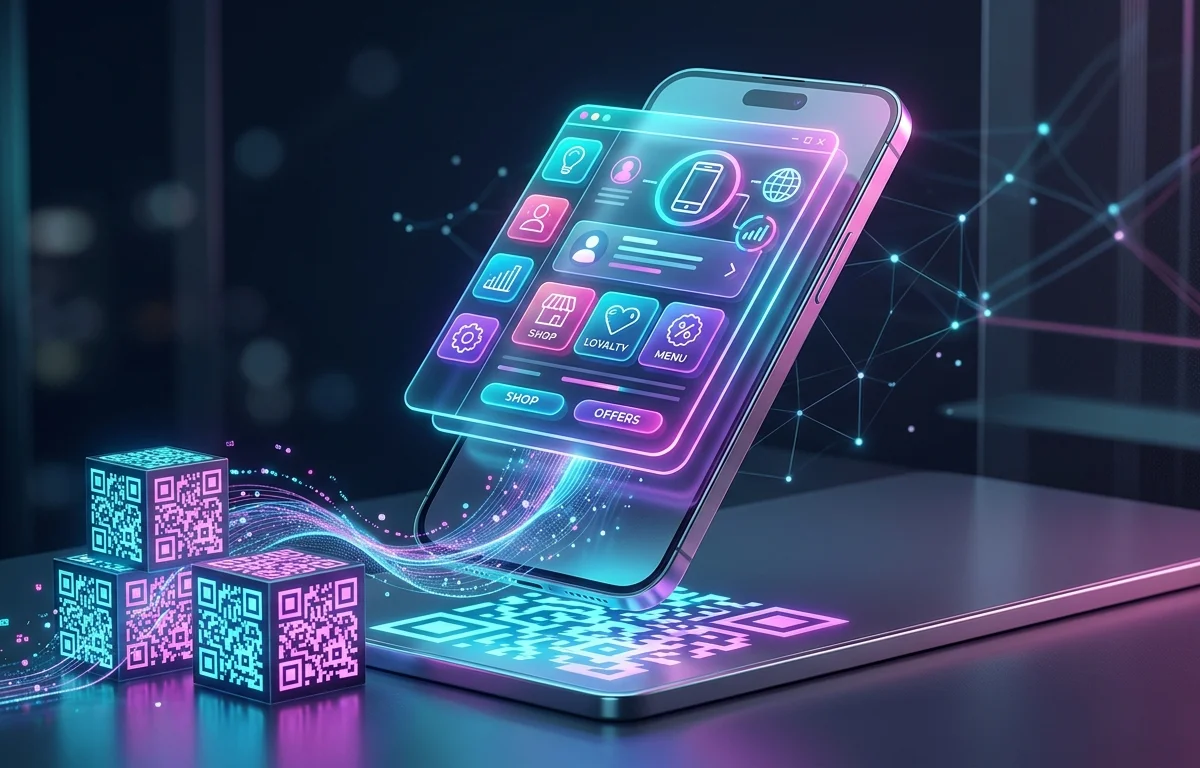
In today's fast-paced digital economy, physical-to-digital (phygital) customer journey friction represents one of the largest uncaptured revenue leaks for enterprise brands. Modern consumers expect instantaneous gratification, seamlessly moving from a physical store aisle, print magazine, billboard, or event booth directly into a fully interactive digital experience. Forcing a prospective buyer through the multi-step ordeal of an App Store search, identity authentication, multi-megabyte download, and system permission approval results in catastrophic drop-off rates often exceeding 85%.
To eliminate this conversion barrier, forward-thinking marketing architects and enterprise digital strategists are pairing dynamic QR codes with Progressive Web Apps (PWAs). By deploying dynamic physical touchpoints that directly launch lightweight, high-performance web applications without installation, organizations unlock immediate engagement, increase retention, and dramatically lower customer acquisition costs across every channel.
Executive Summary & Key Takeaways:
- Strategic Shift: Transitioning from invasive app-store installation mandates to zero-friction, browser-based native micro-experiences driven by physical triggers.
- Operational Efficiency: Eliminating printed collateral replacement costs through dynamic real-time destination updates and automated content distribution.
- Attribution & Analytics: Closing the physical-to-digital analytics blind spot with precise geolocation, device profiling, scan timing, and downstream conversion tracking.
- Implementation Speed: Deploying instant enterprise phygital campaigns in days rather than months using modular dynamic routing and integrated smart web platforms.
Industry Context & The Root Problem
For over a decade, retail brands, enterprise operators, and experiential marketers heavily invested in native mobile applications as the primary mechanism for customer loyalty, self-service, and digital engagement. However, consumer behavior has shifted dramatically into an era dominated by app fatigue. The average user downloads zero new apps per month, reserving device storage and home screen real estate exclusively for ubiquitous daily platforms like messaging, media, and productivity apps. When an enterprise requires a customer to download a native application merely to view a localized catalog, redeem an in-store promotion, or complete a service request, over eight out of ten users abandon the journey entirely.
Concurrently, traditional print and offline touchpoints have historically operated as analytics dark holes. Traditional static collateral—such as printed brochures, legacy signs, and un-tracked short URLs—failed to provide granular data on customer intent or location context. Even early-generation static QR codes suffered from rigid architecture: once printed, the destination URL was permanently locked, rendering physical assets completely obsolete the moment a campaign URL changed or a promo code expired.
This structural misalignment created a persistent gap between physical foot traffic and digital conversion funnels. Enterprise marketers were forced to choose between low-friction but functionally primitive web landing pages, or feature-rich native mobile applications that consumers refused to download in the moment. The emergency of modern web capability standards—specifically Progressive Web Apps powered by intelligent dynamic physical triggers—has permanently resolved this enterprise dilemma.
Strategic Playbook & Core Architecture
The synergy between PWAs and dynamic QR codes creates an agile physical-to-digital bridge. By utilizing intelligent redirection networks coupled with modern browser capabilities, enterprises can deliver app-like functionality—including push notifications, offline functionality, camera access, and hardware-accelerated interfaces—at the speed of a standard web page scan.
Eliminating App Store Friction via Dynamic QR-to-PWA Edge Routing
The architecture begins at the physical scan point. When a customer targets a smart dynamic code on product packaging or outdoor media, the link executes a zero-latency request through an enterprise routing layer like Bitsbender. Rather than serving a static page, the system evaluates device parameters, location metrics, and user state in real time before redirecting the browser directly into the PWA root.
Because PWAs leverage modern browser caching, web manifests, and service workers, the initial load time is virtually instantaneous—frequently under 800 milliseconds. Users are immediately greeted with native UI elements, such as smooth bottom-sheets, hardware-accelerated animations, and instant gesture responses, completely bypassing the native app store barrier while delivering an identical visual and transactional fidelity.
Instant Hardware Integration, Offline Resilience & Service Workers
Unlike basic websites, PWAs possess direct access to mobile operating system capabilities through advanced Web APIs. Once loaded via a scan, a PWA can operate securely offline or in spotty connectivity environments like underground parking, event arenas, or dense urban centers. Service workers background-cache vital interface assets and dynamic product data, guaranteeing uninterrupted transactional workflows.
Furthermore, businesses can leverage native hardware triggers directly from the physical scan point. For example, a customer scanning a dynamic code in a dining venue can open QR menus for restaurants that instantly integrate with digital wallets like Apple Pay or Google Pay, allow location-verified table ordering, and maintain connection even if cellular signal drops. Similarly, service providers can integrate a seamless QR appointment booking system that synchronizes calendar availability directly to the user's native device calendar in a single tap.
Multi-Touch Attribution & Behavioral Context Engines
Connecting physical scans to PWAs transforms offline touchpoints into high-yield lead generation engines. By deploying AI-powered Smart Pages, enterprises can adapt the displayed PWA interface dynamically based on time of day, current promotional inventory, scanning geographic location, or campaign parameters. Every interaction within the PWA generates first-party engagement signals.
When combined with AI Smart Forms & lead capture embedded within the app interface, organizations gather valuable zero-party and first-party data directly from the user without invasive third-party tracking cookies. Once the PWA is accessed, the application prompts the user to add an icon to their home screen or subscribe to Web Push Notifications, creating an persistent, direct-to-consumer remarketing channel that bypasses app store ecosystems altogether.
Step-by-Step Implementation Roadmap
Transitioning from fragmented physical assets to a high-converting, QR-driven PWA ecosystem requires an organized cross-functional execution plan across marketing, technical architecture, and operations.
- Audit Physical Touchpoints & Map Experience Architecture: Catalog all offline media, packaging, in-store displays, and event collateral. Map each physical asset to a specific, high-intent digital goal (e.g., immediate checkout, lead capture, dynamic menu, or appointment schedule).
- Build & Optimize the Progressive Web Application: Develop your core web application using standard PWA standards, ensuring service worker caching, HTTPS enforcement, low web vital latency, responsive layout design, and intuitive home screen installation prompts.
- Configure Dynamic Gateways on Bitsbender: Generate branded, dynamic QR codes within the Bitsbender platform connected to custom domain URLs. Configure real-time destination rules, contextual redirection triggers, and UTM parameters to guarantee granular campaign attribution.
- Deploy Offline Print Assets with High-Intent CTAs: Print dynamic codes on collateral accompanied by actionable copy (e.g., "Scan for Instant Ordering — No App Download Required"). Maintain clear visual hierarchy, scannable sizing standards, and quiet zones on physical media.
- Track Metrics, Conduct A/B Testing & Iterate Content: Monitor real-time scan metrics, conversion rates, device distributions, and geographic hot-spots via the Bitsbender dashboard. Remotely adjust routing destinations or update embedded Smart Pages dynamically without updating physical print.
Comparative Strategy Matrix
To understand the business value of transitioning to a modern phygital ecosystem, compare traditional offline and native app methods with the dynamic smart infrastructure powered by Bitsbender and PWAs.
| Strategic Dimension | Legacy / Static Approach | Bitsbender Smart QR Ecosystem | Business Impact & ROI |
|---|---|---|---|
| Update Flexibility | Fixed URL destination; re-prints required for any change. | Dynamic real-time routing with instant URL updates. | Eliminates reprint costs; eliminates dead links entirely. |
| Attribution & Scan Analytics | Zero physical visibility; aggregated traffic estimations. | Granular real-time tracking (location, OS, time, scans). | Delivers full-funnel attribution from offline touchpoint to online sale. |
| Customer UX & Mobile Friction | Forces App Store search, login, and multi-MB downloads. | Instant browser load (<1s); app-like UI with zero installs. | Reduces drop-off rates by up to 80%; dramatically increases conversion. |
| Security & Tamper Protection | Unmonitored links susceptible to phishing or bad destinations. | Enterprise SSL encryption, domain white-labeling & threat monitoring. | Protects brand reputation and user device integrity across campaigns. |
| Scalability & TCO | High app store maintenance, multi-platform builds, costly updates. | Single codebase web deployment scaling across all physical touchpoints. | Reduces engineering overhead by up to 60%; speeds up market delivery. |
Security, Compliance & Enterprise Best Practices
Deploying physical-to-digital experiences across millions of customer touchpoints requires enterprise-grade security and strict adherence to global privacy regulations. Because physical codes exist in publicly accessible spaces, malicious actors can attempt physical tampering or unauthorized redirection attacks. Enterprise platforms must incorporate proactive security protocols.
Bitsbender ensures absolute operational security through end-to-end SSL encryption across all dynamic routing servers, automated threat detection, and seamless custom domain integration. Custom domain white-labeling ensures that consumers always see your trusted brand domain when pointing their camera at a code, establishing immediate brand trust before the user completes a scan.
From a data compliance perspective, integrating PWAs with dynamic platforms must conform strictly to global standards including GDPR, CCPA, and SOC 2 guidelines. Because PWAs run within standard sandboxed web browser environments, they respect native device permission models for location, camera, and notification access. First-party analytics collected via scans are scrubbed of personally identifiable information (PII) unless explicitly volunteered by the customer via secure, consent-driven forms.
Frequently Asked Questions
Do customers need to install anything from the App Store to use a PWA?
No, Progressive Web Apps run directly inside standard mobile web browsers like Safari or Chrome. When a customer scans a dynamic QR code, the PWA opens instantly without requiring any app store search, download confirmation, or system installation process.
How do dynamic QR codes improve ROI compared to standard static codes?
Dynamic QR codes allow you to change the target destination URL at any time without reprinting physical collateral, protecting your hardware and marketing investment. Furthermore, dynamic systems provide real-time scan analytics, enabling precise multi-channel attribution and continuous campaign optimization.
Can a PWA accessed via a dynamic code work when internet access is limited?
Yes, PWAs utilize modern Web API service workers to pre-cache key application framework files, content assets, and interface screens. Once initial access occurs, users can navigate stored application screens even in low-connectivity or completely offline environments.
What security precautions exist to protect smart codes from physical tampering?
Enterprise platforms utilize white-label custom domains, continuous link verification, SSL encryption, and dynamic redirection monitoring. This ensures users are only routed to secure, verified business applications, protecting consumers from malicious phishing redirects.
Strategic Conclusion & Next Steps
The convergence of Progressive Web Apps and smart dynamic QR code infrastructure represents a fundamental step forward for phygital customer engagement. By removing the traditional friction of app stores and pairing real-world physical triggers with high-performance web experiences, enterprise brands can dramatically increase engagement, capture valuable first-party insights, and maximize total campaign return on investment.
Continuing to rely on outdated print methods or requiring heavy native app downloads inevitably degrades conversion efficiency and wastes physical marketing investments. Embracing an agile phygital architecture ensures your brand delivers immediate, contextual digital value at every customer touchpoint.
Ready to bridge the gap between your physical assets and modern digital experiences? Explore Bitsbender Dynamic Smart Solutions today to deploy high-converting, app-like experiences across every offline touchpoint in minutes.
Written by The QR Generator Team
We are passionate about connecting physical assets and digital experiences through innovative Smart QR technology. Follow us for the latest guides, industry blueprints, and QR marketing best practices.
Learn more about our mission →Need a Custom QR Code?
Create dynamic, trackable, and branded QR codes with real-time scan metrics in seconds.
Create Free QR CodeContinue Reading
QR Codes for Nonprofits: Simplifying Donations & Volunteer Signups
Discover how nonprofits leverage dynamic QR codes and Smart Pages to eliminate donor friction, automate volunteer onboarding, and increase fundraising ROI.
Building Interactive Museum Exhibits with QR-Powered Audio Guides
Discover how cultural institutions use Bitsbender dynamic QR codes and AI smart pages to deliver immersive audio guides, boost visitor engagement, and track real-time analytics.
The Future of Contactless Payments: QR Code Wallets Beyond India and China
Discover how QR code wallets are transforming global transactions beyond Asia. Learn enterprise strategies using Bitsbender Smart QR codes.